HVAC
Variable-speed or single-stage AC: comfort and humidity
How each type of AC runs, why it matters on sticky summer days, and what counts for more than the label on the box.
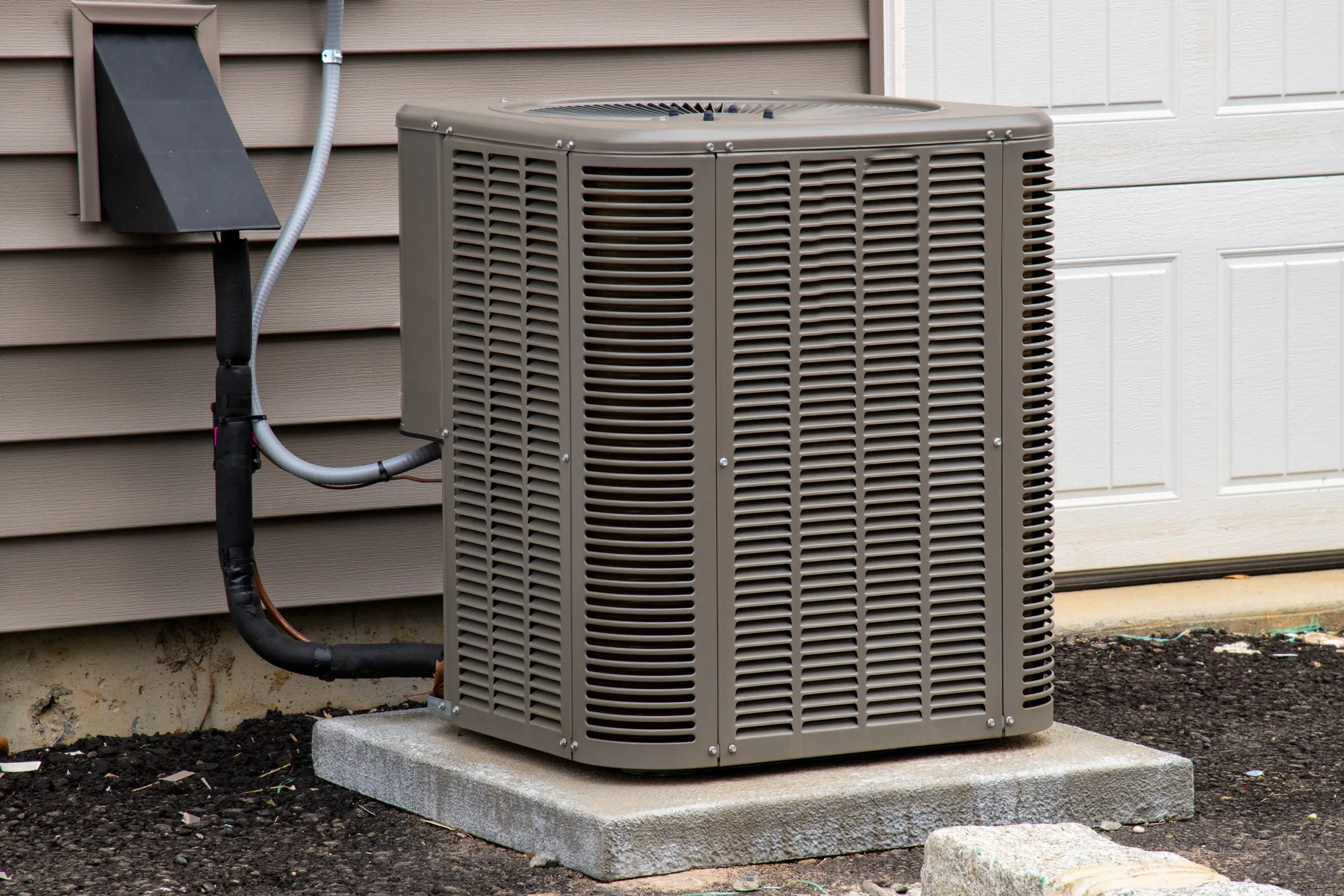
Shop for a new air conditioner and you will hear two labels: single-stage and variable-speed. One runs flat out or not at all. The other can slow down and run longer at lower power. The price gap between them is real, so it helps to know what you are paying for.
The short answer: in a humid place like North Texas, how a system runs changes how the house feels, not just the number on the thermostat. But the label matters less than whether the system fits your house.
01How each one runs
A single-stage system has one speed. When the thermostat calls for cooling, the compressor runs at full capacity until the house reaches the set point, then shuts off. On a mild day that can mean short bursts of cooling with long gaps in between.
A variable-speed system, sometimes called variable-capacity or inverter-driven, can dial its output up and down. On the hottest afternoon it runs near full power. The rest of the time it can run slower and steadier, closer to what the house actually needs.
There is a middle option too. Two-stage units switch between a low setting and a high one.
02Why humidity is part of the story
An air conditioner cools the air and pulls moisture out of it at the same time. Water condenses on the cold indoor coil and drains away. That drying takes time, so very short cycles can leave a room cool but clammy.
DOE Building America research on efficient homes in hot, humid climates found that oversized, fixed-capacity equipment is still common, and that longer, steadier run times during low-load hours help control indoor moisture. Variable-capacity systems are built to run that way. EPA's quality installation guidance adds that weak airflow can leave indoor air overly damp.
So a variable-speed unit can help with that sticky feeling. It will not fix everything on its own, though. Airflow, ducts and size all play a part.

03Size matters more than the label
An oversized system of either type cools the house fast, then shuts off before it has dried the air. The same EPA guidance warns that an oversized unit may cycle too often, which costs you comfort and can shorten the life of the equipment. DOE's building science guide to sizing says rules of thumb are a main cause of oversizing.
The fix is a room-by-room load calculation, known in the trade as Manual J. It works from the features of your actual house, not a shortcut. EPA's heat pump page tells homeowners to have the contractor confirm size with this calculation.
Order matters too. Seal and insulate the attic first and the house needs less cooling, so the right size may be smaller. That is why we size a new system to the sealed house, not the leaky one.
04Noise, thermostats and cost
- Noise. A system that spends most of its time at low speed is usually quieter than one that starts and stops at full power. Ask for the sound specs on each outdoor unit you are comparing.
- Thermostats. Some variable-speed systems are designed to work with the maker's own control. Ask whether your current thermostat will work before you plan on keeping it.
- Cost. Variable-speed equipment usually costs more up front, and repairs on its more complex parts can cost more too. A single-stage unit is simpler. Ask for both options priced for the same house.
- Efficiency. Many of the highest-efficiency units are variable-speed. Our guide to SEER2 ratings explains how to read those numbers.
05Which one fits your house?
Variable-speed makes the most sense when humidity bothers you, when rooms swing between too cold and too warm, or when you plan to stay in the house for years. A well-sized single-stage system can still keep a sealed, well-insulated house comfortable at a lower price.
Either way, the questions are the same. Was the house measured? Were the ducts checked? Does the plan fix air leaks first? Our HVAC visit checklist helps you get ready, and our guide to finding air leaks shows where to start.
One visit covers the equipment, the ductwork and the attic above it, and you leave with a written plan and a real price. For a straight answer on your own house, book your free inspection.