Comfort
Find air leaks before big upgrades
Simple checks you can do in an afternoon, what you can seal yourself, and why sealing first can shrink the AC and battery you need.
Before you price a new AC or a home battery, find out how much air your house is losing. Leaks let cooled air out and hot attic air in. The AC runs longer, rooms feel uneven, and any equipment sized for that leaky house ends up bigger than it needs to be.
The good news: the easy leaks are easy to find. The big ones are usually hidden, but you can still learn to spot the signs.
01Start with the obvious spots
Walk the house on a breezy day and check the places where two materials meet or something passes through a wall:
- Exterior doors, including the one to the garage
- Window frames and sashes
- Outlets and switch plates on outside walls
- Pipes under sinks where they go into the wall
- Recessed ceiling lights below the attic
- The attic hatch or pull-down stairs
- Dryer vents, exhaust fans and spots where cable lines come in
Purdue Extension's air leak guide lists outlets, electrical boxes, plumbing fixtures, ceiling fixtures and attic hatches among the places worth testing, along with doors and windows.
02Simple tests, done safely
The hand test. Run a damp hand slowly around a frame or an outlet cover. Moving air is easier to feel on wet skin.
The incense test. Hold a lit incense stick near the edge of a door, window or outlet and watch the smoke. If it wavers or gets pulled sideways, air is moving. Keep it away from curtains and anything else that can catch, never leave it burning unattended, and skip it if someone at home is sensitive to smoke.
The paper test. Close a door or window on a sheet of paper. If it slides out with no drag, the seal is not touching.
Some guides suggest running every exhaust fan to pull air through the leaks. If you have gas appliances such as a furnace or water heater, skip that step, because strong exhaust can pull fumes back into the house. EPA's sealing and insulating guide also says to have a technician check gas appliance venting after you tighten up a home.
03The biggest leaks hide in the attic
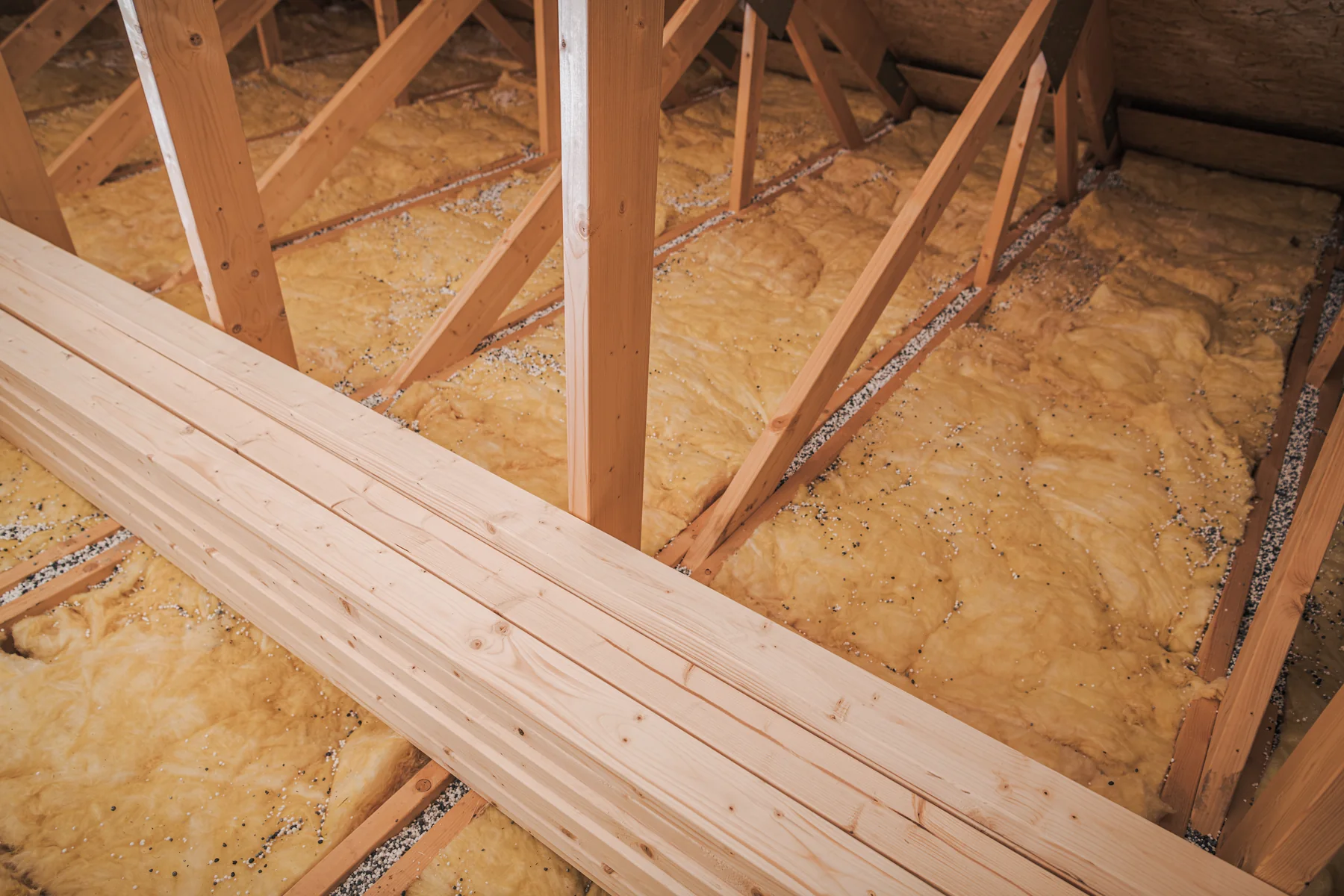
Drafty doors get noticed, but EPA's page on locating leaks says the most significant ones are usually hidden in the attic, often under the insulation. Common culprits include the attic hatch, wiring holes, plumbing vents, open soffits, recessed lights, and the chases that hide flues and ducts.
One clue you can spot from the hatch: dark, dirty patches in the insulation. EPA's sealing and insulating guide explains that the dark color is dust filtered out of house air as it leaks through. North Texas attics get dangerously hot in summer, so take a look early in the morning, or leave the attic to a pro.
04Weatherstripping and caulk basics
For the leaks you can reach, a few materials do most of the work. DOE's guide to air sealing lays out the options:
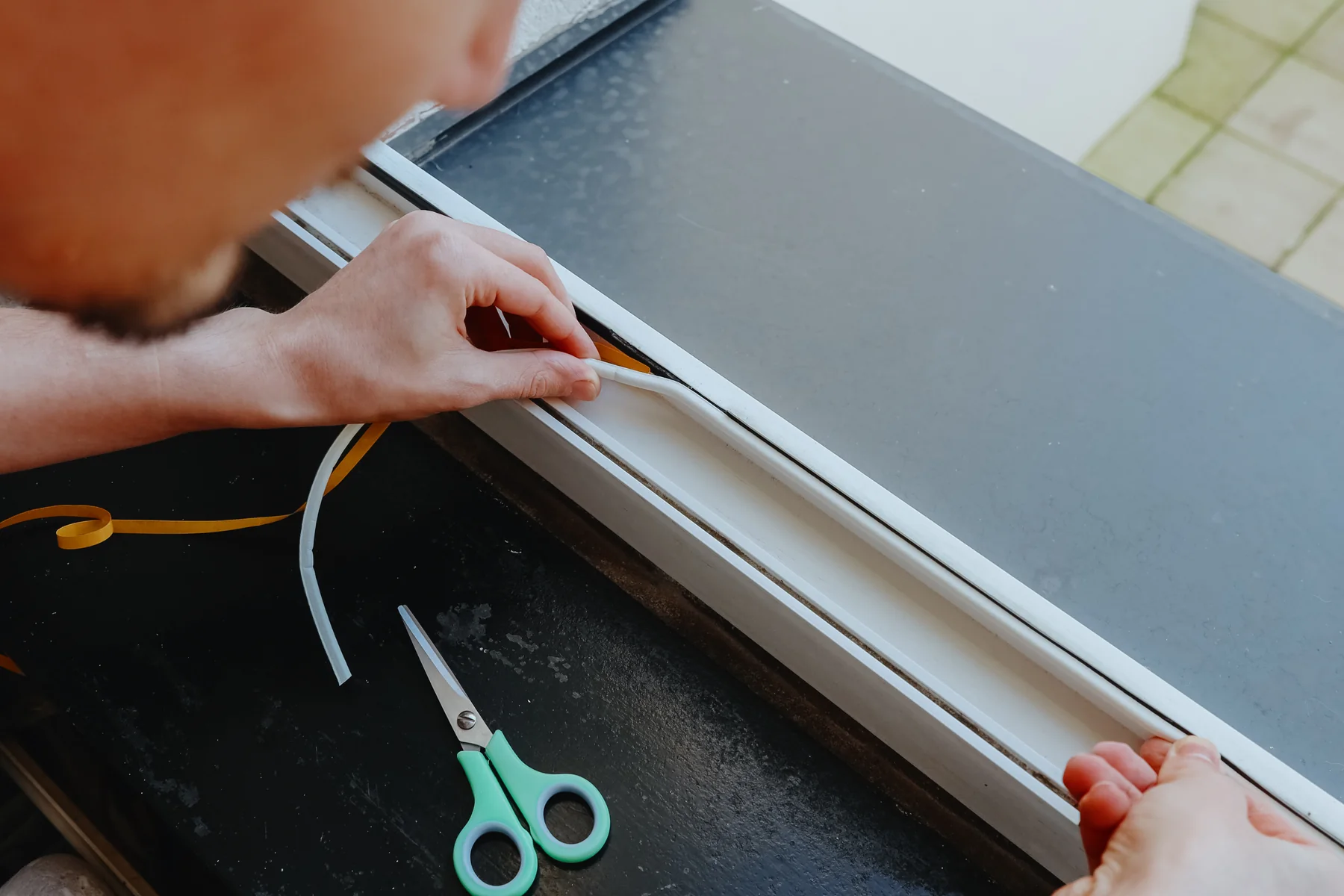
- Weatherstripping for parts that move: door edges, window sashes and the attic hatch. Foam tape, felt, rubber, door sweeps and bulb seals all have a place.
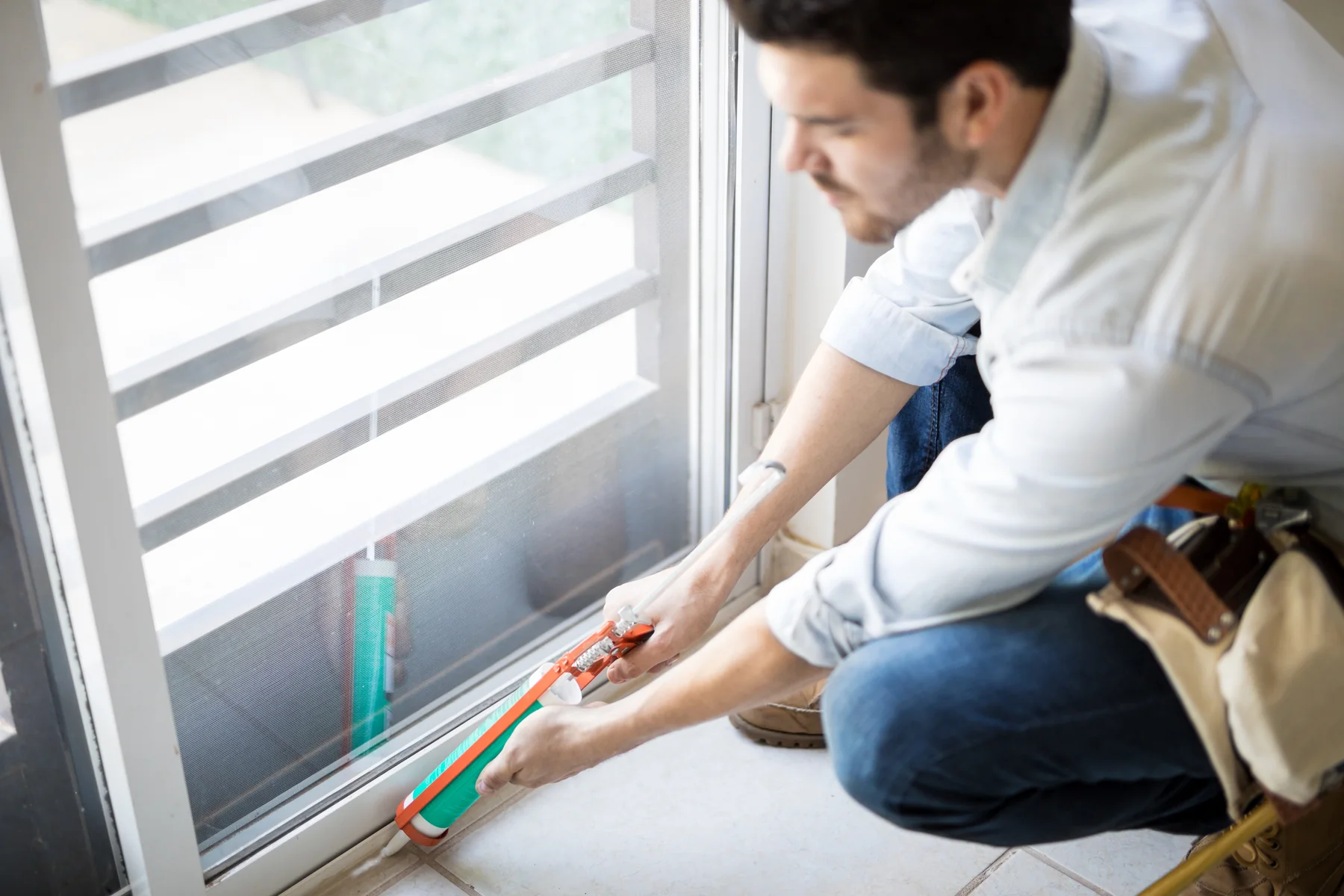
- Caulk for cracks and gaps that stay still, like window trim and spots where pipes pass through walls. Acrylic latex and silicone are the common types.
- Spray foam for larger gaps around pipes and wires.
Gaps around flues and chimneys need special high-temperature materials, and DOE recommends a professional for those. Recessed lights are another one to leave alone. EPA's guide notes that sealing them with the wrong materials can create a hazard.
05Why sealing comes first
Sealing shrinks the job for everything after it. A tighter house needs less cooling, so a new AC can be sized for the house after the fixes, not the leaky one. A battery stretches further when the house holds its temperature through an outage. That is the order we follow: fix the house first, then add the battery.
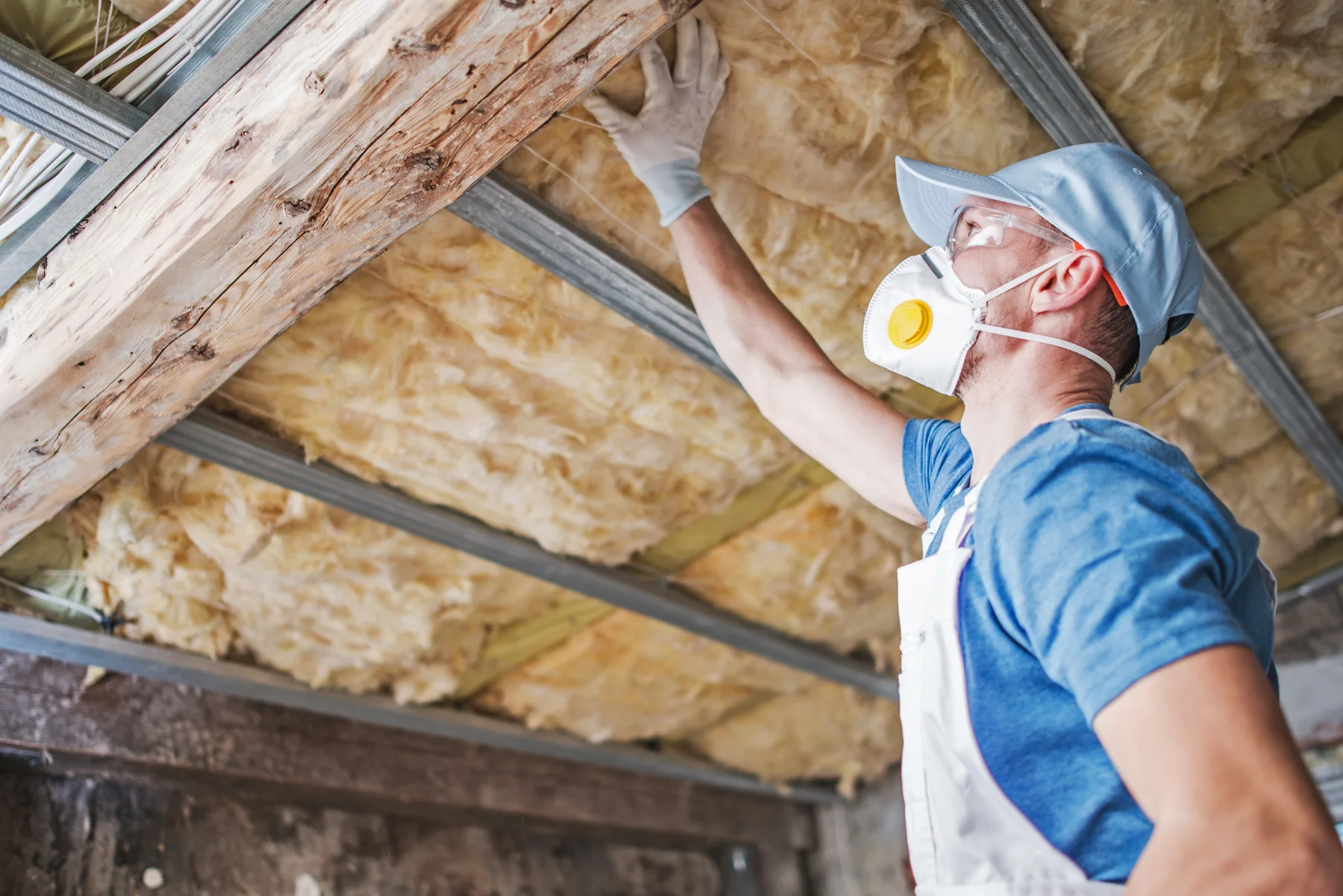
DIY checks find the obvious leaks and miss the small, hidden ones. A blower door test uses a strong fan to pressurize or depressurize the house and measure how leaky it is. The Building America Solution Center notes that an analyst can use an infrared camera during the test to see where air is escaping and insulation is missing. If you are weighing blown-in or batt insulation, air sealing belongs in either plan.
Want help with the leaks you cannot see? Book your free inspection and we will check the attic, the ducts and the equipment together.