Comfort
What to ask about your attic insulation
Good questions about depth, R-value, air sealing and ventilation help you make sense of any attic insulation quote.
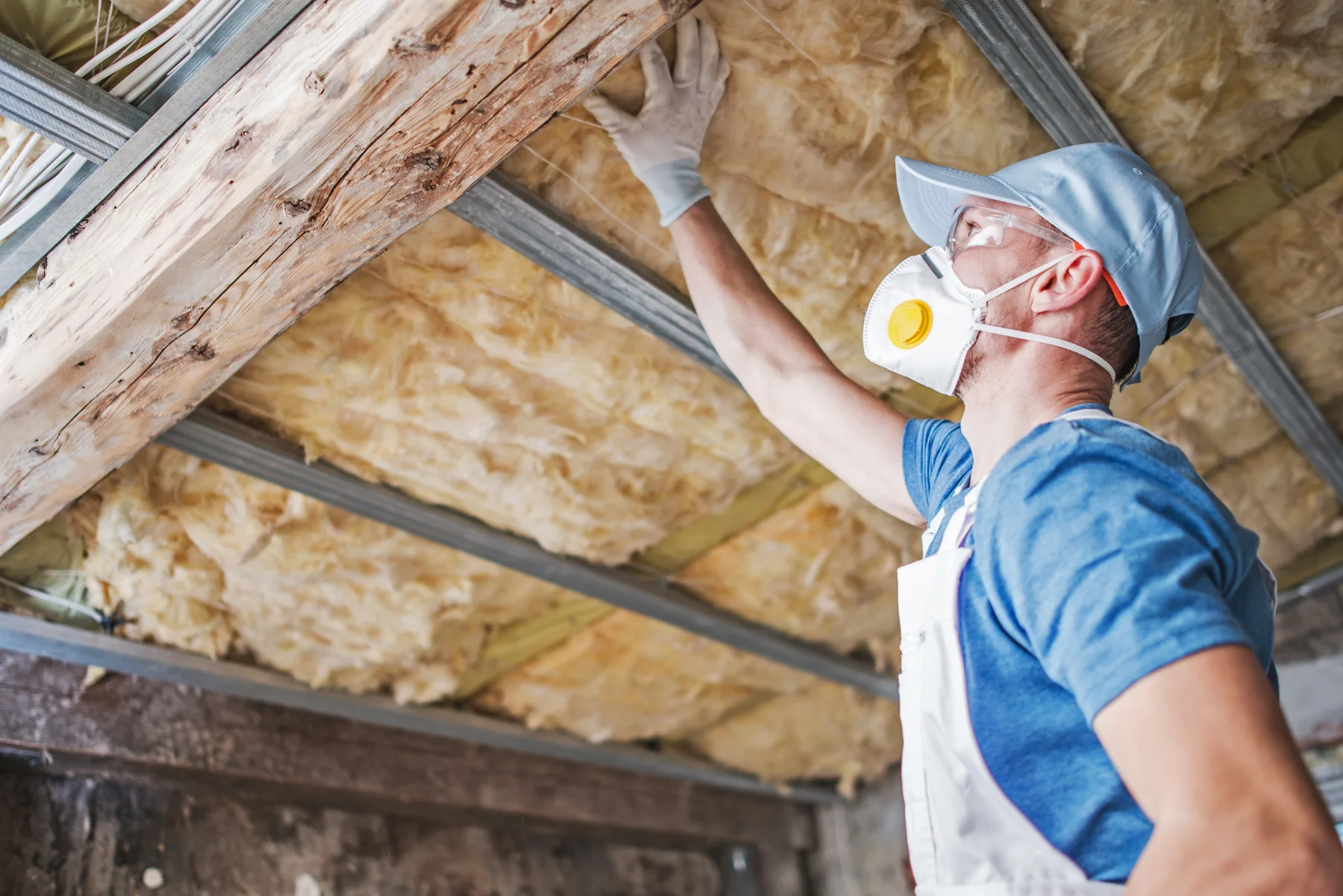
If some rooms never feel right, the attic is often part of the story. In a North Texas summer, the space above your ceiling gets far hotter than the rooms below, and that heat pushes down through whatever insulation is up there.
You do not need to be an expert to get a good attic job. You need the right questions, and a sense of what a good answer sounds like.
01How much is up there now?
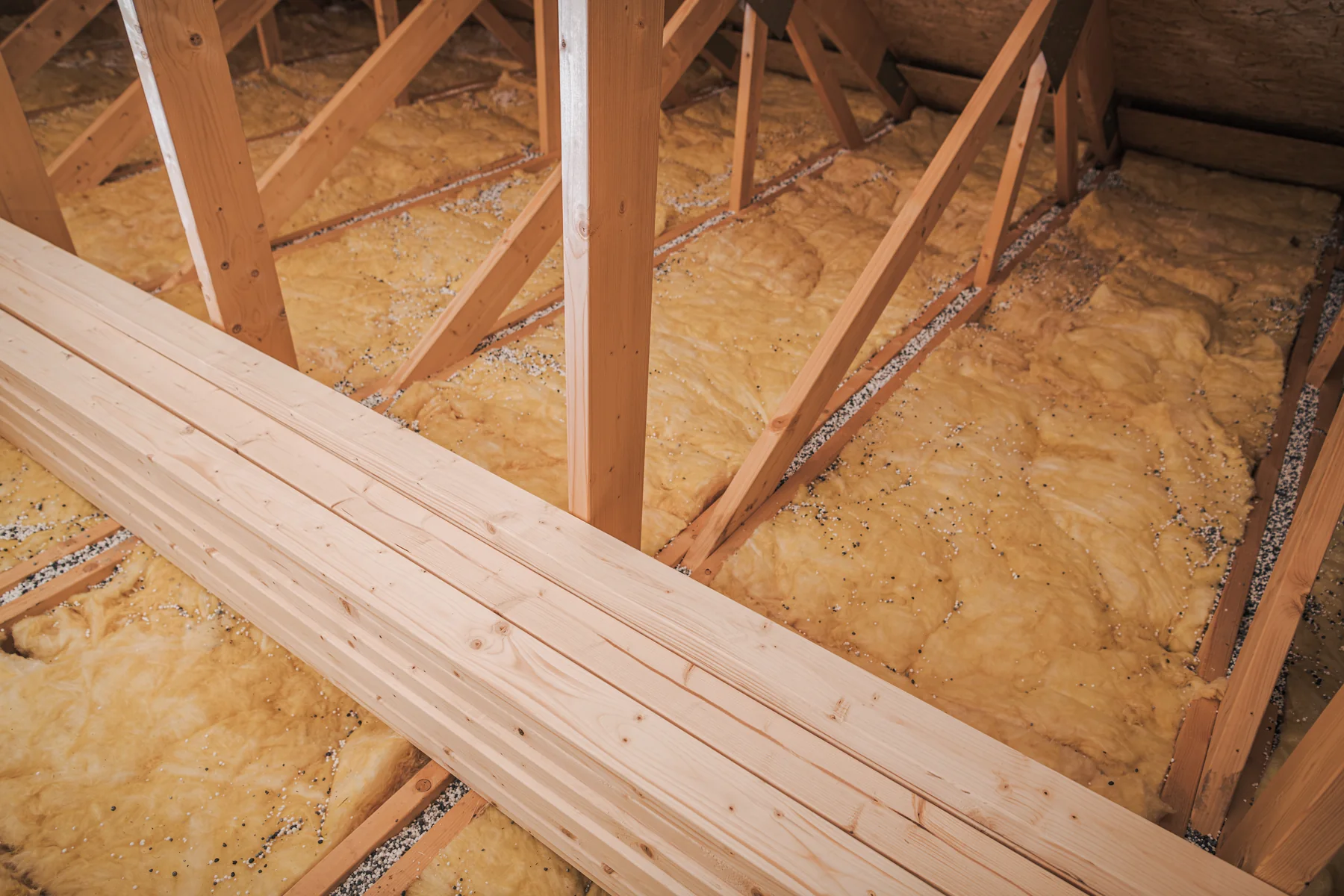
Ask the inspector to measure the current depth in several spots, not just next to the hatch. Insulation often runs thin along the eaves and around obstacles. EPA's attic quick check is a useful gut check of your own: if you can see the tops of the joists, there probably is not enough.
A good answer names the material, the measured depth and an estimated R-value. That estimate is simply the depth multiplied by a per-inch factor for that material. Ask for photos too. A few pictures of the attic floor, the hatch and any trouble spots make it easy to compare before and after.
02What R-value are we aiming for?
Recommended levels depend on climate. For attics across North Texas, EPA's R-value table suggests R49 for an uninsulated attic, and adding R38 where 3 to 4 inches already sit on the floor. Ask what the finished R-value and depth will be, and whether depth markers will be installed so you can check later. Ask how many inches that means for the material they plan to use, since loose fiberglass and cellulose reach the same R-value at different depths.
If you are weighing loose fill against batts, our blown-in versus batt comparison covers how each one fills the space.
03What gets air-sealed first?
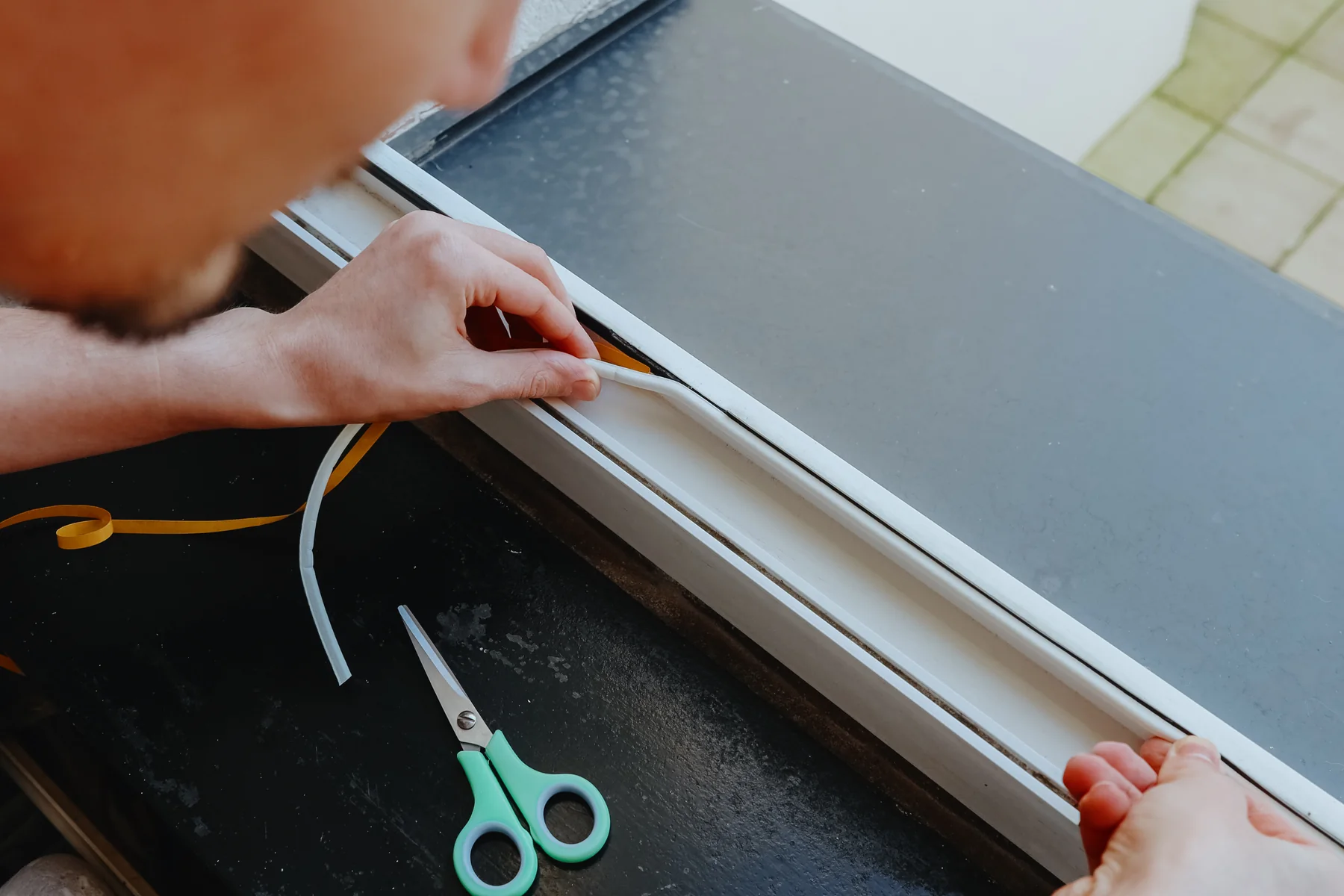
Insulation slows heat, but it does not stop moving air. Ask which leaks will be sealed before any insulation goes down. EPA's attic air sealing guide lists the usual suspects: the attic hatch, holes for wiring and plumbing, recessed lights, dropped soffits, flue or duct chases and the spaces behind kneewalls.
Ask about safety as well. The same guide notes that sealing can cause gas appliances that vent naturally to back-draft, and recommends testing them before and after the work. A careful installer brings this up before you do. If your top-floor ceiling has recessed can lights, ask how each one will be handled, since each one can be a path for air into the attic.
04How will ventilation and fixtures be handled?
A sealed attic floor is not the same as a sealed attic. The attic itself still needs to breathe through its vents. Ask how soffit vents will stay clear so new insulation does not block airflow at the eaves.
Ask about heat sources too. EPA's attic insulation project says to keep insulation at least 3 inches from recessed lights unless they are marked IC, and to use sheet metal or wire mesh barriers around fixtures and vents. It also flags wet insulation, moldy or rotted framing, little or no ventilation and old knob-and-tube wiring as reasons to call a professional before adding anything.
At Static, we seal the leaks between your rooms and the attic, not the attic's own ventilation, and we check that ventilation during the inspection.
05What will the written scope include?
Before you sign, ask for the plan in writing:
- Whether old insulation stays or comes out, and why
- Each air sealing location and the materials used
- Material type, target R-value and finished depth
- How vents, the hatch and hot fixtures will be protected
- Cleanup, and how you can check the finished work
We only remove old insulation when it is damp, damaged or in the way of air sealing. If it is in good shape, we seal around it and add on top, and your plan says which before we start. If your attic is already fine, we will tell you. Learn more about our attic insulation work, or book your free inspection.