Backup power
Start your backup plan with what matters
Before choosing any equipment, decide who and what your household needs to keep going in an outage, and for how long.
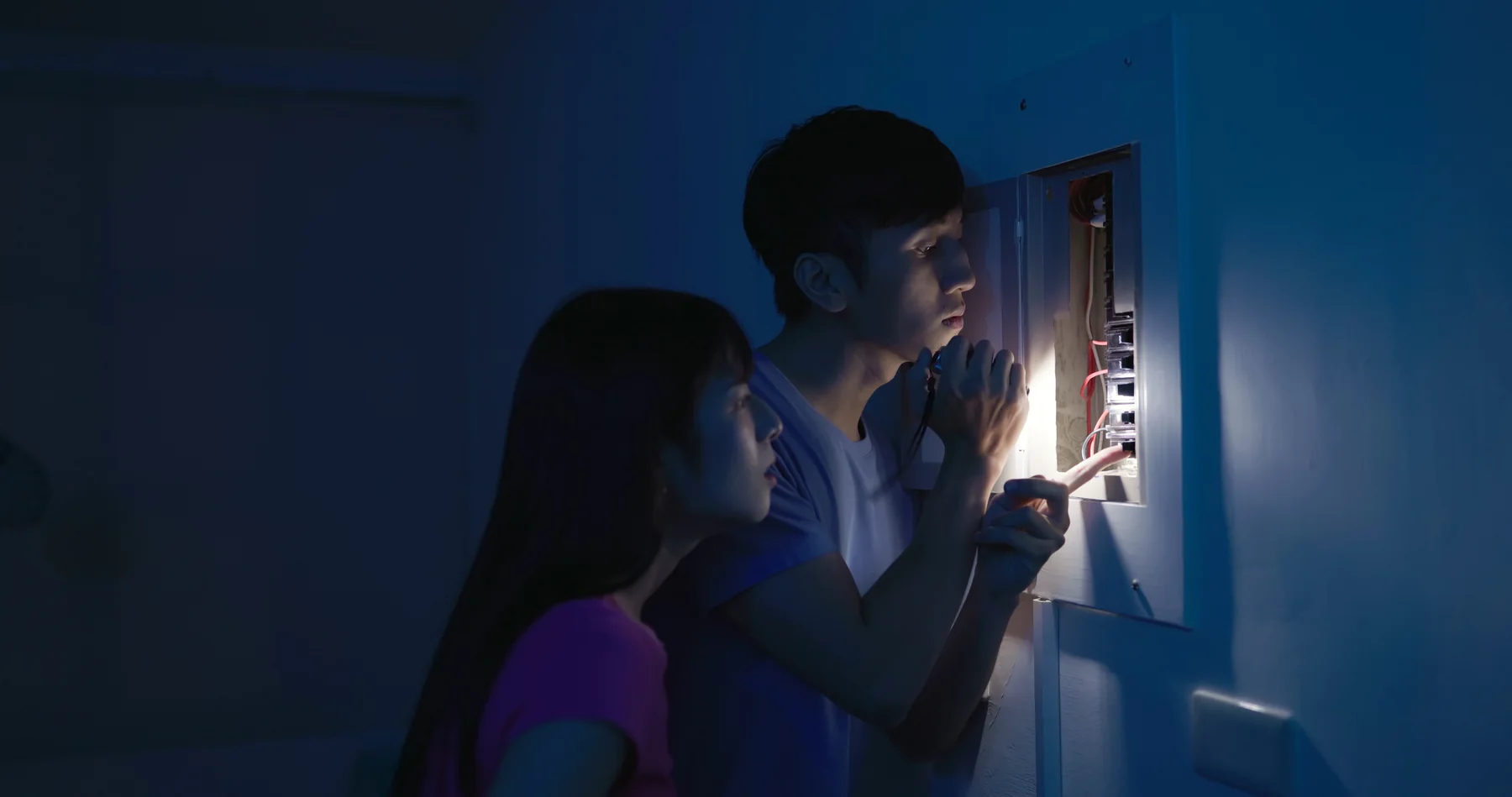
Most backup power conversations start with a product. A better starting point is your household. Who lives there, what do they rely on, and what would a long outage actually mean for them?
Answer those questions first and the equipment part gets simpler. This guide covers the planning. Our separate article on sizing a home battery covers the numbers.
01List the people first
Start with who depends on power, not what does. An outage means something different to a household with a newborn, an older parent, someone working from home or someone who relies on a medical device. Write down, by name, everyone in your home who would struggle without it.
The National Weather Service notes that young children, older adults, pregnant women and people with chronic conditions face the greatest risk in extreme heat. In North Texas, a summer outage is a heat problem as much as a power problem. If anyone in your home fits those groups, keeping at least one room cool may belong at the top of your list.
02Then list the devices
Walk through a normal day and note everything that runs on electricity. Ready.gov recommends exactly that inventory, along with a conversation with your medical provider about powered devices and medicines that need refrigeration. Sort what you find into three groups:
- Must run: medical equipment, the refrigerator, a few lights, phones and Wi-Fi
- Should run: cooling for one or more rooms, the garage door, a home office
- Can wait: the oven, laundry, the pool pump
Be honest about the middle group. That is where most of the cost of a backup system lives.
03Decide how long you need to last
A two-hour outage and a two-day outage call for different plans. Think about the longest one you have lived through, and how your household coped.
A few timing facts help. Ready.gov says a refrigerator that stays shut keeps food cold for roughly four hours, while a full freezer lasts around 48. Phones, laptops and medical devices each have their own battery life, and the time to check them is now, not in the dark.
Think about when outages tend to happen, too. In North Texas, spring storms and summer grid strain are two common causes, and a summer outage arrives just when cooling matters most.
04Cover the basics no matter what
Every home needs a simple kit, whatever equipment you add later. Ready.gov's emergency kit list includes a gallon of water per person per day for several days, several days of nonperishable food, a flashlight, extra batteries, and a phone with chargers and a backup battery. Look the kit over once a year and swap out anything expired.
Ready.gov also says to keep working carbon monoxide detectors on every level of the home. If you ever use a portable generator, run it outdoors only, at least 20 feet from windows, doors and attached garages.
05Then match options to the list
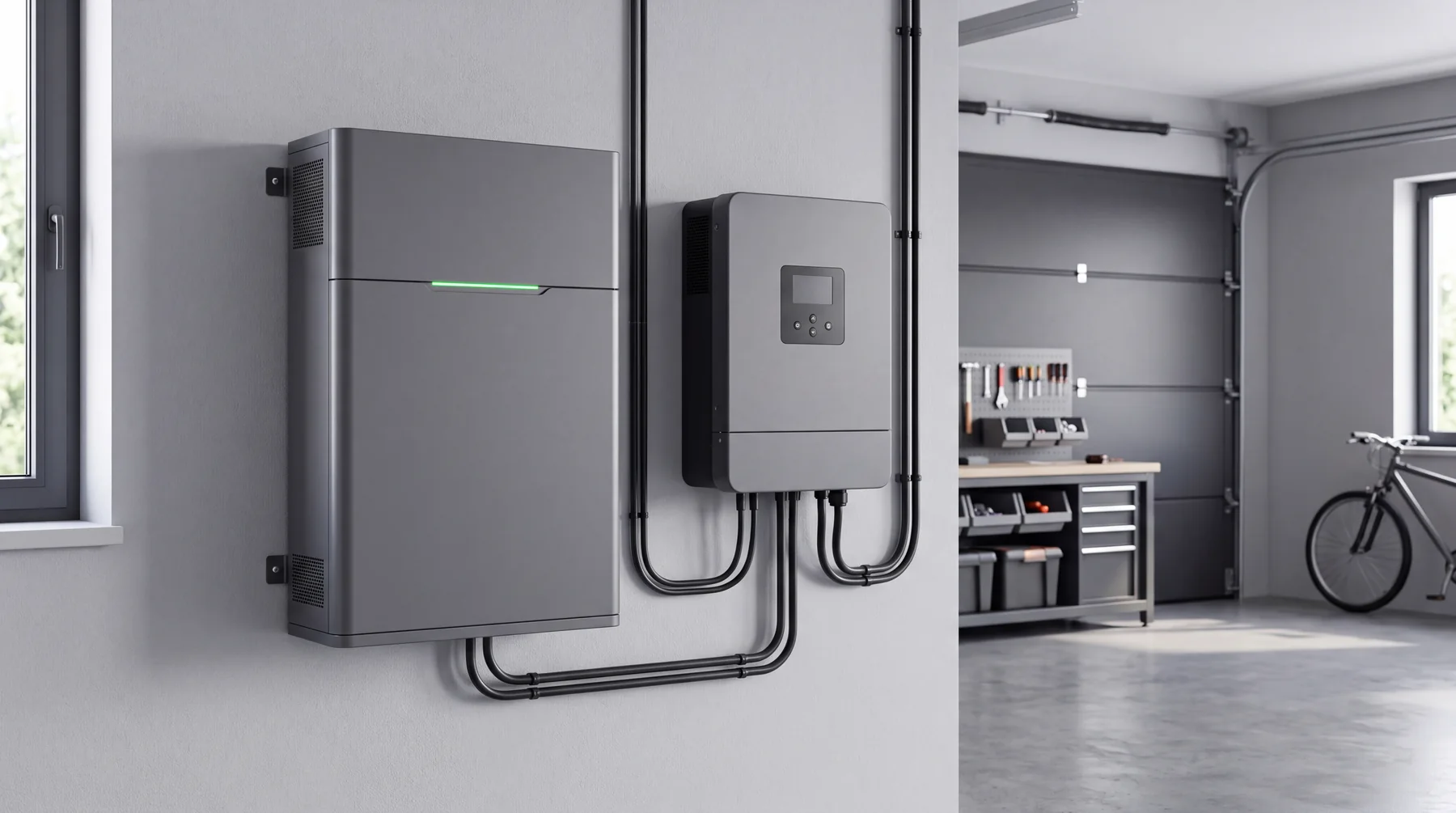
With people, devices and timing on paper, the equipment conversation gets much clearer. A home battery is one option. It switches over on its own when the grid drops, needs no fuel and produces no exhaust, and it can be sized to just your must-run list or to more of the house.
Whatever you consider, ask which loads the system will cover, what its limits are and how it behaves in a long outage. Ask who monitors it after install and who you call when something seems off, and get those answers in writing. At Static, the same team monitors the battery and services every system we install.
We walk the panel with you, list what you rely on in an outage and size the battery from there, after the house is tightened up so a smaller system covers more. Bring your list to a free inspection and we will plan around it.