Backup power
Sizing a home battery: kW, kWh and the circuits that matter
Two numbers decide what a home battery can do in an outage: how much it can run at once, and for how long.
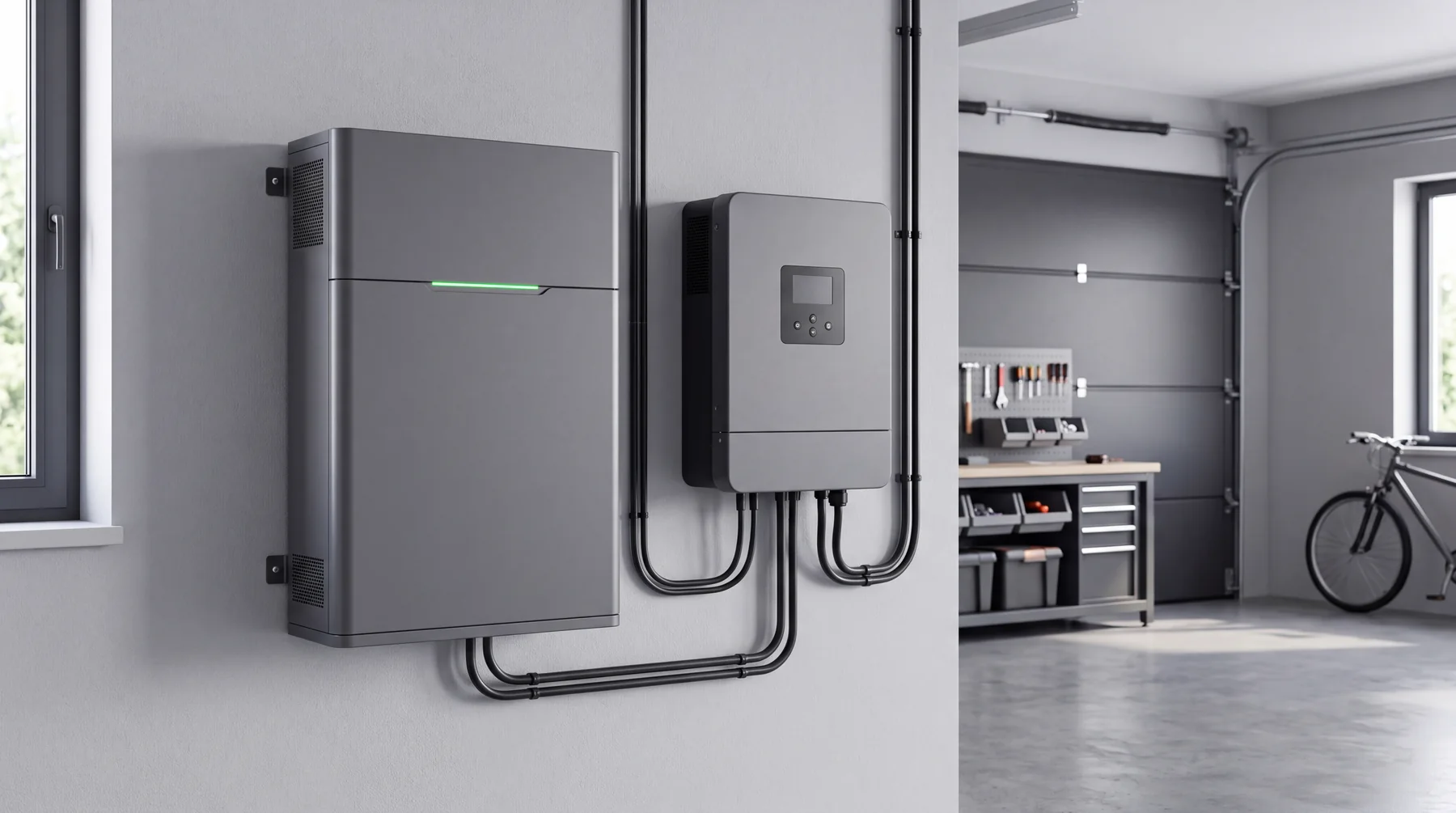
Battery spec sheets list two numbers that look almost the same: kW and kWh. They answer different questions, and mixing them up is the quickest way to end up with the wrong size.
This guide explains both, then walks through the part that matters more than any spec sheet: deciding what your North Texas home actually needs to keep running when the grid goes down.
01kW and kWh in plain words
A kilowatt (kW) is power: how much electricity something draws at a given moment. A kilowatt-hour (kWh) is energy: power used over time. The U.S. Energy Information Administration puts it simply. One kWh is one kilowatt used for one hour, and a 40-watt bulb left on for five hours uses 0.2 kWh.
For a battery, that turns into two questions:
- Power (kW): How many things can run at the same time? This decides whether the AC, the oven and the dryer can all start together.
- Energy (kWh): How long can they keep running? Think of it as the size of the tank.
A battery with plenty of kWh but modest kW can run a few small loads for a long time. One with high kW but little kWh can run a lot at once, briefly. Motors, like an AC compressor or a pump, also pull a short burst of extra power when they start. Your system has to fit all of that.
02List the loads that must keep running
Start with a list, not a product. Walk through the house and write down what your household cannot go a day without:
- The refrigerator and freezer
- Wi-Fi and phone charging
- A few lights and outlets
- Medical devices, such as a CPAP machine or oxygen concentrator
- A garage door, well pump or sump pump, if you have one
- Cooling, which is the big question in a Texas summer
Ready.gov suggests taking stock of everything in the home that runs on electricity, and talking with your medical provider about a power plan for devices and refrigerated medicines. It also notes that a closed refrigerator keeps food cold for about four hours, and a full freezer for about two days. Those numbers help you sort true must-runs from nice-to-haves.
03The AC question
Air conditioning is the hardest call in any battery plan. Of all the ways U.S. homes use electricity, air conditioning takes the biggest share, and Southern homes lean on it more, according to EIA data on home electricity use. A central AC draws far more power than a fridge, and on a hot afternoon it runs for hours.
That leaves three realistic options:
- Essentials only: Back up the fridge, lights, Wi-Fi and some outlets, and leave central cooling off. Smaller battery, longer runtime.
- Essentials plus cooling: Include the AC, with a battery sized to carry it.
- Whole home: Back up nearly everything. This takes the most kW and kWh by far.
None of these is wrong. The right one depends on who lives in the house, how long your outages tend to last and your budget.
04Why a tighter house needs a smaller battery
We fix the house first, then add the battery. That order shows up directly in how big a battery you need.
A leaky, under-insulated house loses its cool fast once the AC stops. While the AC runs, it has to work harder to keep up. Both mean more kWh pulled from the battery. Seal the attic, bring the insulation up to depth and right-size the HVAC, and the house holds its temperature longer and needs less power to stay comfortable. The same battery then covers more hours, or a smaller one covers what you need.
That is why battery storage is the fourth upgrade in our order, not the first. If you want to check your own home before anyone sizes anything, our guide to finding air leaks is a good place to start.
05What a good sizing plan shows you
A battery quote should be more than a single number. Ask to see:
- Which circuits will be on the backup side, in writing
- The battery's continuous power in kW and usable energy in kWh
- Estimated runtime for your list, with and without the AC
- Whether your panel has room, or needs a separate backup loads panel
- How the switchover works when the grid drops
At Static, we walk the panel with you, size the battery around the circuits you care about and show you the runtime before you buy. Bring your list and book your free inspection.