Backup power
ERCOT conservation alerts: what to do at home
When ERCOT asks Texans to conserve, a short plan at home eases the grid and keeps your household comfortable and safe.
On the hottest summer afternoons and the coldest winter nights, the Texas grid can get tight. When that happens, ERCOT, which runs the grid for most of the state, asks people to use less electricity for a few hours.
These requests are not outages. They are early warnings. Knowing what each one means, and having a simple plan ready, makes them easy to handle.
01What the alerts mean
ERCOT shares grid conditions through TXANS, the Texas Advisory and Notification System, which it launched in 2023 (Fox 26 Houston). From calm to serious, the notices step up like this:
- Normal: Supply and demand are in balance.
- Weather Watch: A heads-up three to five days before weather that could push demand up or reserves down.
- Voluntary Conservation Notice: A request to cut back during peak hours, if it is safe to do so.
- Energy Emergency Alert (EEA): Emergency supply and demand conditions on the grid.
ERCOT can also put out a stronger Conservation Appeal. In August 2023 it asked Texans to cut use between 4 and 9 p.m., and said it was not in emergency conditions, only that forecasts showed the potential for emergency operations (Fox 7 Austin). In other words, a request to conserve is a warning, not an outage.
02Get the alerts before you need them
You can sign up for TXANS emails on ERCOT's website at ercot.com/txans. Local news outlets usually report the notices as well. A Weather Watch is your cue to look at the week ahead: who will be home, which big chores can move, and whether anyone in the house needs extra care in the heat.
Tape a short plan inside a kitchen cabinet. When the alert comes, nobody has to think it through on a hot afternoon.
Alerts are not only a summer thing. Hard freezes can strain the grid too. In winter, the same ideas work in reverse: warm the house a little earlier, lower the thermostat slightly during the window if it is safe, and hold big electric loads like the dryer until it passes.

03Simple ways to use less during the window
Conservation windows usually cover late afternoon into evening, when demand peaks. The goal is to move or skip big loads during those hours, not to make the house unsafe.
- Pre-cool the house. Run the AC a little cooler earlier in the day, then raise the thermostat a degree or two once the window starts.
- Shift big appliances. Run the dishwasher, washer and dryer in the morning or late at night.
- Close blinds on sun-facing windows through the afternoon.
- Use fans in the rooms where people are, and switch them off in empty rooms.
- Skip the oven. A microwave or slow cooker adds less heat to the kitchen.
- Run pool pumps early in the morning or overnight.
- Switch off extras. Turn off and unplug lights and electronics nobody is using.
Fox 7's report on that August appeal lists several of the same steps, including nudging the thermostat up only if it is safe.
04Protect the people who need it most
Comfort is flexible. Safety is not. Heat hits some people harder: infants and small children, older adults, anyone with a chronic illness and pregnant women top the National Weather Service list of those most at risk. If someone in your home is on that list, keep their room cool and let the rest of the house do the conserving.
It also helps to:
- Check on neighbors and relatives who live alone or lack working AC
- Keep medical devices and phones charged
- Plan for refrigerated medicines with your medical provider, as Ready.gov suggests
- Know where the nearest cooling center is, in case the power does go out
05Why a sealed home rides out the peak
A tight, well-insulated house holds its temperature. Cool it down before the window and it stays comfortable for longer after you raise the thermostat. A leaky house warms up fast, which leaves you choosing between the AC and the request.
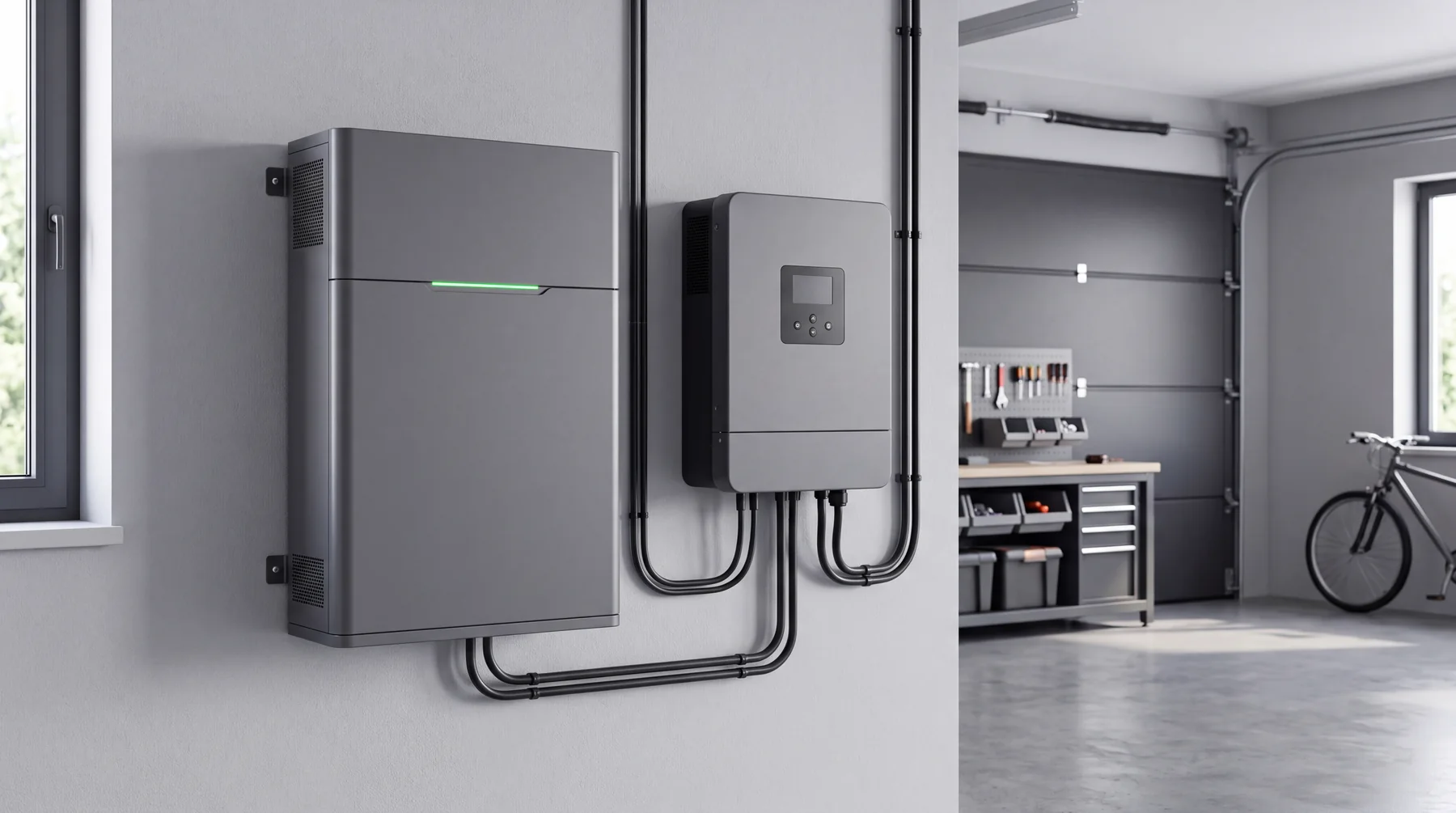
That is why the work starts with the house. Attic insulation and air sealing slow the heat coming through the ceiling, and a right-sized HVAC system can keep up without running flat out. A home battery is the backstop: if a tight day ends with the power out, it keeps the essentials running until the grid is back. Our guide to sizing a home battery explains how to plan for that.
Curious how well your home holds its cool? Book your free inspection or call 800.781.7220.