
Home planning
Make the most of your first home inspection
How to prepare, what access the crew needs, what to ask on the day, and what you should walk away with.
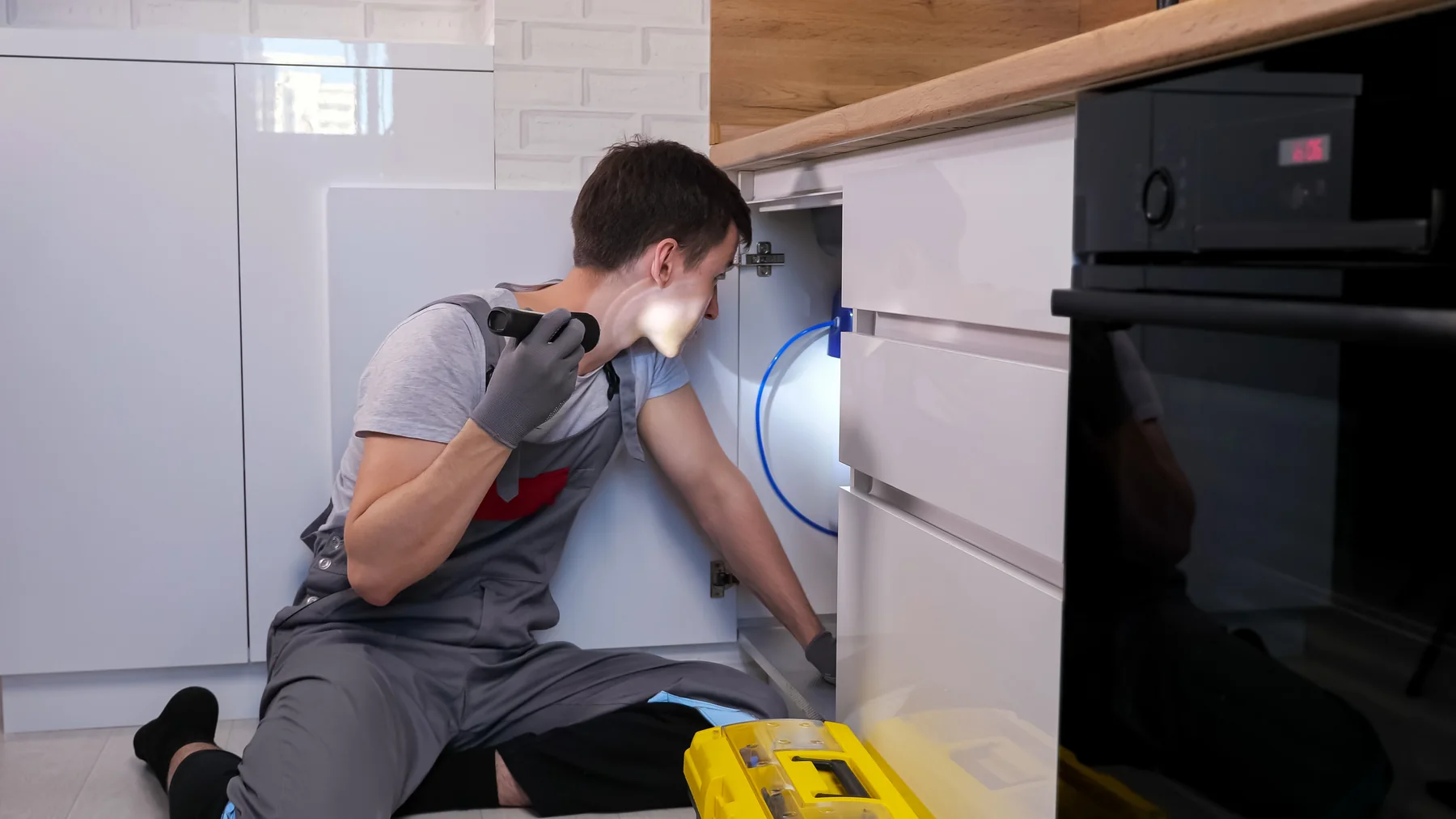
A home inspection is your chance to look at the house as a whole, not one piece of equipment at a time. The more you bring to it, the more useful it is.
There is nothing to diagnose ahead of time. Bring your observations, your bills and your questions. Here is how to get ready, what happens on the day, and what you should have in hand when it is over.
01Before the visit
Start with what prompted the call: a hot bedroom, a big summer bill, an aging AC, a recent storm, or just wanting a plan. Write it down, along with your timing and any budget questions.
Then gather what you have:
- Twelve months of electric bills, or the same year of usage from Smart Meter Texas
- Equipment paperwork, model numbers and service records
- Records of past roof, attic or HVAC work
- Notes on rooms that run hot, cold or stuffy, and when
Photos help too. A picture of a ceiling stain after a storm, or of the label on the outdoor unit, saves time on the day.
EPA suggests a cooling tune-up every spring in its HVAC maintenance checklist, so bring those records if you have them. Curious how your home compares before we arrive? EPA's Home Energy Yardstick estimates how your energy use stacks up against similar homes, and our guide to your electric bill shows what to look for.
02Clear the way
The crew needs to reach the systems that matter. Make a clear path to:
- The attic hatch or pull-down stairs
- The electrical panel
- The indoor HVAC unit and the outdoor unit
- The water heater and where the main water line comes in
- Any spot with a known leak or stain
Move the car if the panel is in the garage, and settle pets somewhere calm. In summer, an early appointment keeps attic checks safer for everyone.
03What happens on the day
On a Static visit, the crew walks the attic and the roof, checks the heating and cooling system and looks over the electrical panel, then sits down with you over a year of bills. Walk along if you can. Point out what you have noticed, and ask what the crew sees as they go.
According to DOE's guide to air sealing, professional energy auditors may use tools like a blower door and an infrared camera to find leaks, and the homeowner should get a report afterward on the most cost-effective measures. Ask which checks your visit includes, and why.
A Lawrence Berkeley National Laboratory study of one utility's audit program found that homeowners valued talking with the auditor, the blower door test and specific advice for their own house more than the standardized, number-based parts of the report. So ask your questions out loud. That is what the visit is for.
04Questions worth asking
- What did you check, and what did you find?
- What should be fixed first, and what can wait?
- How does one upgrade change the others?
- Is anything fine just as it is?
- What would you do if this were your house?
That last one often gets the most honest answer. Our before-you-upgrade guide has more on planning the whole house, and if comfort is the main issue, start with insulation and air sealing.
05What you should leave with
Before the visit ends, you should know what comes next. At Static that means a written plan and a real price before you decide anything, with no pressure. Ask for:
- A summary of what was found, in plain language
- The proposed work in priority order, with the price
- The ways to pay, side by side with your current bill
- A name and number for follow-up questions
If any part of the plan is unclear, ask for it again in plain words. A good plan should make sense to you without a sales pitch. Take your time with it. When you are ready to get on the calendar, book your free inspection or call 800.781.7220.