
Home planning
Your Texas electric bill, explained
Who sends the bill, who delivers the power, why summer bills climb, and how to use your own numbers to plan home upgrades.

Most North Texas homes sit in a competitive electricity market. You pick a retail provider, but the poles, wires and meter belong to someone else. That split shows up on your bill as a handful of line items that are easy to skim past.
This guide walks through what those lines mean, why July looks so different from April, and how to put your own usage numbers to work before you spend money on upgrades. We will not quote rates here. They change often, and they depend on your plan.
01Two companies, one bill
In the Dallas area, the company that sends your bill is your retail electric provider (REP), the one you signed up with. The company that delivers the power is the local wires utility. For most of North Texas, that is Oncor.
Oncor explains that it does not sell power or bill homeowners directly. It charges your REP for delivery, and the REP passes that cost along on your bill. You may see it called delivery, wires, or TDU charges. Your total is the REP's price for the energy plus those delivery charges. Questions about the bill itself go to the REP, at the number on your statement.
02The lines on the bill
Layouts vary by provider, but most bills include:
- Energy charge. Your usage in kilowatt-hours (kWh) times your plan's price. This is the part you shop for.
- Delivery charges. Oncor describes its residential charge as two pieces: a fixed monthly amount and a per-kWh amount for what you use.
- Base or monthly fees. Some plans add a fixed charge from the provider.
- Taxes and other fees. These depend on where you live.
Because the energy and delivery charges both rise with kWh, usage is the number that moves your bill most. It is also the number that home upgrades can change. Read one bill line by line once, and every bill after it gets easier.
03Read the Electricity Facts Label
Every plan sold in the competitive market comes with an Electricity Facts Label (EFL). Under the PUCT rule that governs these labels, the label must show the average price per kWh at 500, 1,000 and 2,000 kWh a month, along with the contract term, any early termination fee and the fees the provider may charge. Providers also owe you a Terms of Service and a Your Rights as a Customer document.
Those three usage levels matter. A plan that looks cheap at 1,000 kWh can cost more at the usage your house really has. You can compare plans and their labels on Power to Choose, the state's shopping site. Check your own summer and winter kWh first, then compare at the level closest to yours.
04Why summer bills spike
In North Texas, cooling is the big one. In EIA's 2020 survey of home energy use, air conditioning made up about 28% of household electricity use in Texas, compared with about 19% nationwide. The same survey's averages put a typical Texas home at roughly 13,400 kWh for the year, against about 10,600 for the country as a whole. Most of the cooling share lands in the hot months, so a July bill can look nothing like an April one.
Heat gets in through the attic, leaky ducts and gaps around the house. The AC runs longer to push it back out, and every extra hour of runtime shows up as kWh. Our guide to ERCOT conservation alerts covers the other side of summer: what to do when the grid is tight.
05See your usage, then plan
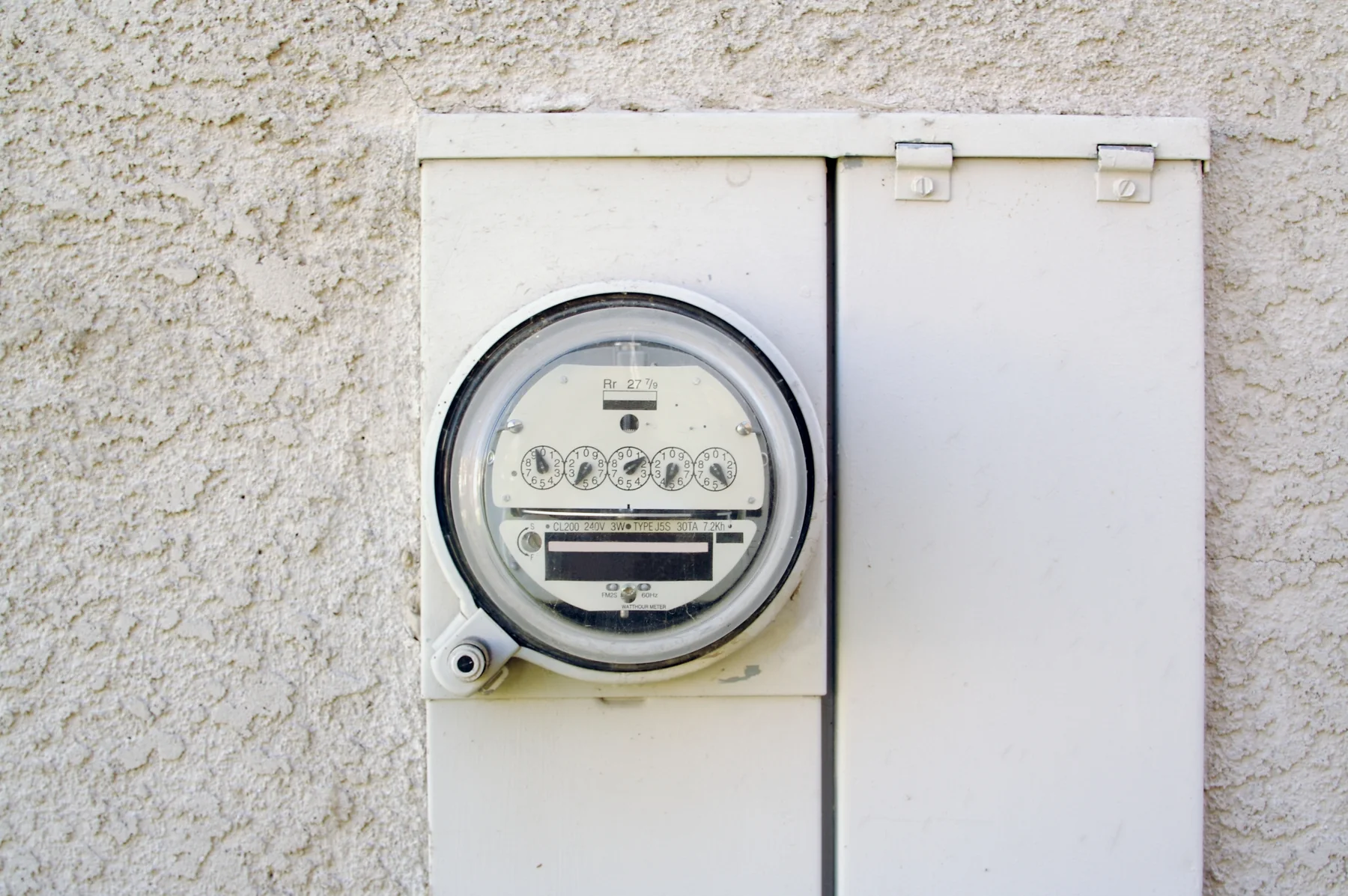
Your smart meter records usage in 15-minute intervals. Oncor's meter FAQ notes that you can see daily, monthly and interval data on Smart Meter Texas, a portal endorsed by the PUCT. A year of data shows your patterns: how big the summer bump is, and whether hot afternoons drive it.
Use that to set priorities:
- A big summer spike points to the attic, ducts and AC. Start with insulation and air sealing.
- Steady high use all year is worth a closer look at older equipment and appliances.
- If backup power is on your list, your daily kWh is a starting point for sizing a home battery.
Bring twelve months of bills, or your Smart Meter Texas data, to your free inspection and we will go through them with you.