Roofing
Roof coating or replacement? When a coating makes sense
A coating can protect a sound roof and help it run cooler, but it cannot rescue a roof that is already failing.
Texas sun is hard on a roof. Shingles fade, granules wash into the gutters and the attic below heats up. When a roof starts to look tired, two options usually come up: coat it or replace it.
They solve different problems. A coating is a protective layer for a roof that still works. A replacement is for a roof that no longer does. This guide explains how to tell which one you are looking at, and what to ask before anyone sprays or rolls anything on.
01What a roof coating actually does
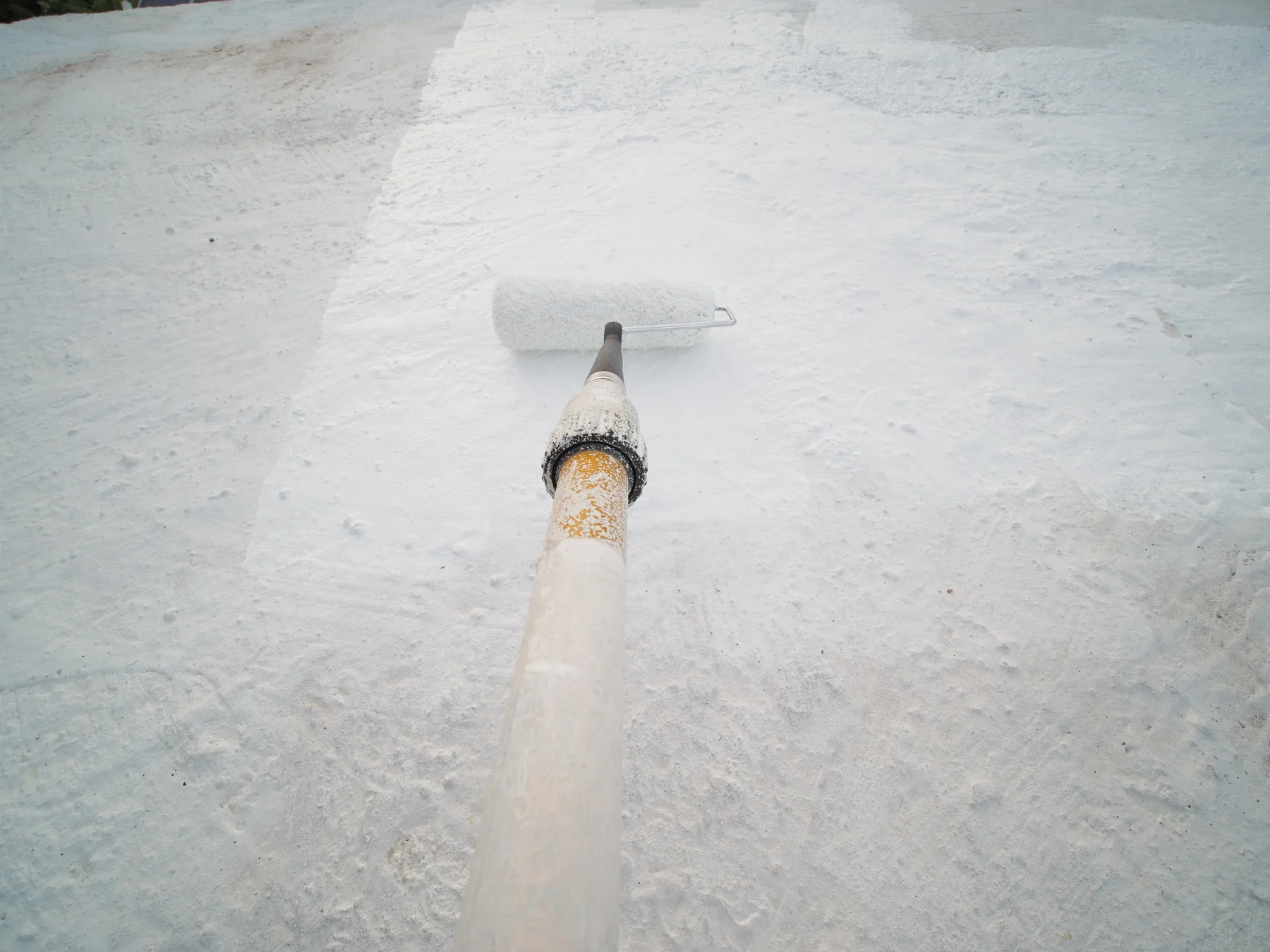
A roof coating is a liquid layer applied over an existing roof. Once it cures, it forms a film that shields the surface underneath from sun and weather. Reflective coatings, usually white or light colored, also bounce back more sunlight, so the roof surface stays cooler.
Berkeley Lab's Heat Island Group explains that a roof's coolness comes from two properties: how much sunlight it reflects, and how well it sheds the heat it does absorb. It estimates that a clean white roof can stay about 55°F cooler than a gray one on a summer afternoon. A cooler roof surface sends less heat into the attic, which means less work for the AC.
A coating is not a new roof, though. It does not replace rotten decking, reattach loose flashing or stop an active leak on its own.
02When a coating makes sense
Coatings work best on a roof with life left in it. The Roof Coatings Manufacturers Association says the roof should be repaired and dried before any coating goes on, and warns not to expect a coating to find and seal leaks for you. The roof also has to drain properly, because not every coating can sit under standing water.
Good signs for coating:
- The decking under the roof is dry and solid
- Damage is limited and can be repaired beforehand
- Water drains off the way it should
- You want to protect the roof you have and keep the attic cooler
Our ProTitan roof coating follows that same order. We inspect the roof, fix or replace what needs it, then spray the coating on. ProTitan Shield is a titanium-dioxide coating made to reflect sun, resist algae and help shingles hold their granules. It can go on most shingle, tile, metal and flat or TPO roofs. ProTitan does not publish a savings figure, so we will not promise you one.
03When replacement is the better call
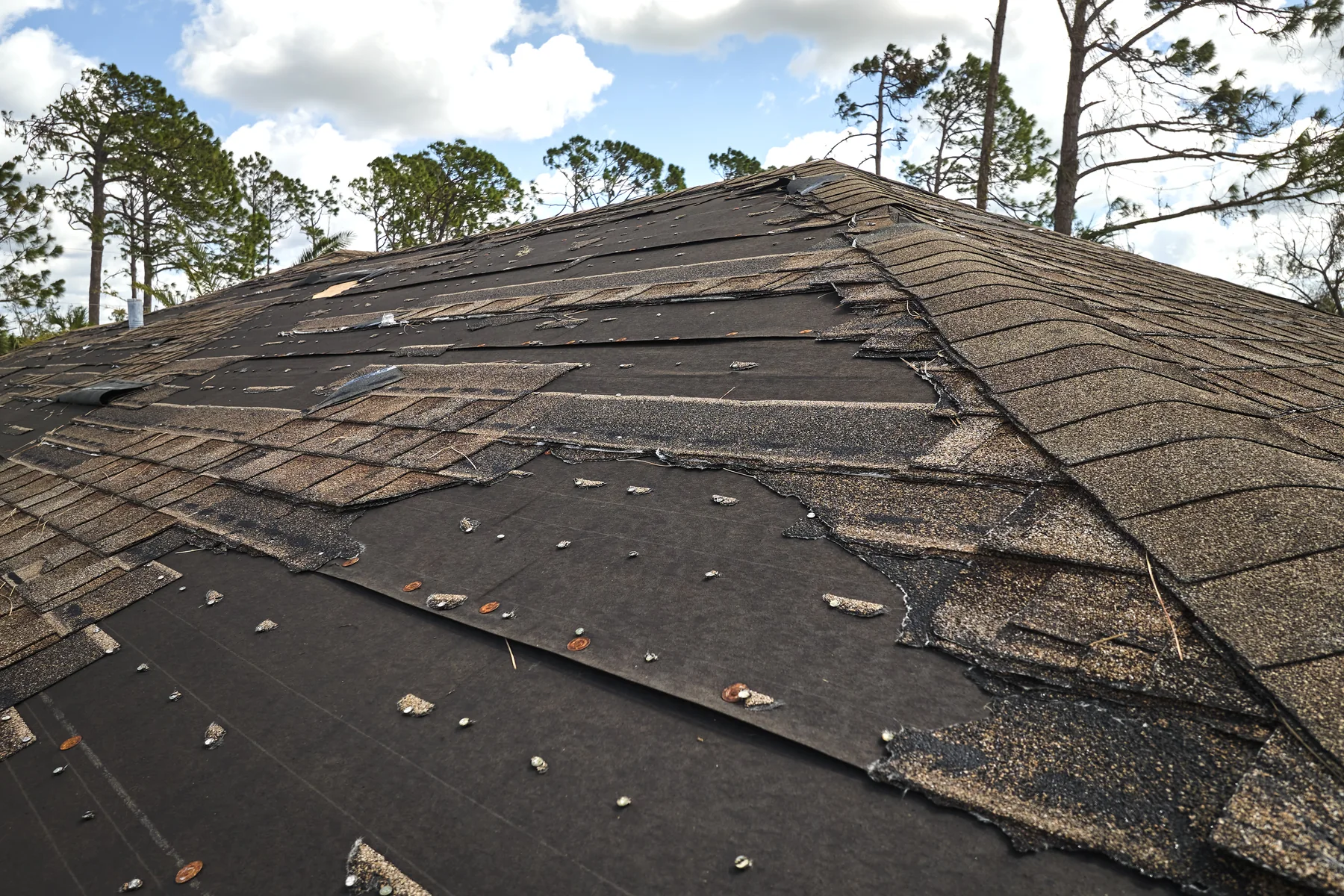
Some roofs are past the point where a coating helps. Soft or rotted decking, widespread hail damage, large areas of missing shingles or leaks in several places all point to repair or replacement first. The RCMA recommends calling a roofing contractor when there are existing leaks, wet insulation or a damaged deck.
It works the other way too. The Department of Energy's Guide to Cool Roofs notes that it is rarely economical to tear off a mechanically sound roof just to make it more reflective. If your roof is solid, you usually do not need a new one to get a cooler surface. If you are replacing anyway, that is the moment to ask about lighter, more reflective materials. Our guide to planning a roof project covers that side of the decision.
04Inspection comes first
Nobody can tell from the driveway whether a roof should be coated. A proper look covers the surface, flashing, seams, roof penetrations, drainage and the decking underneath. It should include the attic too, where water stains and pinpoints of daylight show trouble the roof surface can hide.
At Static, roofing and coating sit with the same crew, so the person checking your roof has no reason to push one answer. If a repair will do, that is what we quote. If coating fits, we say so. If the roof needs replacing, we show you why before we quote it.
05Prep, cure and upkeep
Coating day is mostly preparation. The roof has to be cleaned and allowed to dry completely before anything goes on, and the RCMA calls that a critical step. Then the coating needs time to dry and cure. For water-based coatings, the RCMA advises air temperatures of 50°F and rising, and no rain for the next 24 hours, so the forecast can move the date.
After that, upkeep is simple. The RCMA suggests looking the roof over twice a year and after major storms, and repairing damage promptly. Reflective surfaces can also lose some of their shine as dirt and weather build up. The Cool Roof Rating Council rates products both new and after three years outdoors, and EPA lists periodic cleaning as part of keeping a cool roof reflective.
Not sure which side of the line your roof is on? Book your free inspection and we will check it up close, then tell you plainly whether to coat, repair or replace.