Roofing
Planning a roof project? Start here.
Get clear on the inspection, the written scope, materials, schedule and cleanup before anyone climbs a ladder.

A roof project goes smoother when the big questions are answered before work starts. What is actually wrong? Is it a repair or a replacement? What does the price include, and what happens if the crew finds soft decking under the old shingles?
Use your first conversation to get those answers in writing. Here is how to prepare for it.
01Share what you know, from the ground
Bring records of past roof work, the roof's age if you know it, and any insurance paperwork from recent storms. Note leaks or ceiling stains and when they show up. If you have had hail, write down the date.
Leave the climbing to professionals. You can point out what you have seen from the yard or a window, but hail can crack or strip shingles in ways nobody spots from the street. A good inspection checks shingles, flashing, decking and vents up close, plus the attic underneath. That is how our roofing inspection works, and when a repair is enough, a repair is the price you get.
02Ask for a written scope
The proposal should say what is being done and with what. Look for:
- Repair or full tear-off, and how much of the roof
- Underlayment, flashing, vents and ridge details
- The shingle or other material, by product and color
- How damaged decking found during tear-off will be handled and priced
- Who pulls the permit
The FTC's home improvement advice says to get a written contract with start and finish dates, to fill in every blank before signing, and to be wary of a contractor who asks you to get the building permits yourself.
If a repair might be enough, ask for both prices, one to repair and one to replace, so you can weigh them side by side.
03Talk about materials and heat
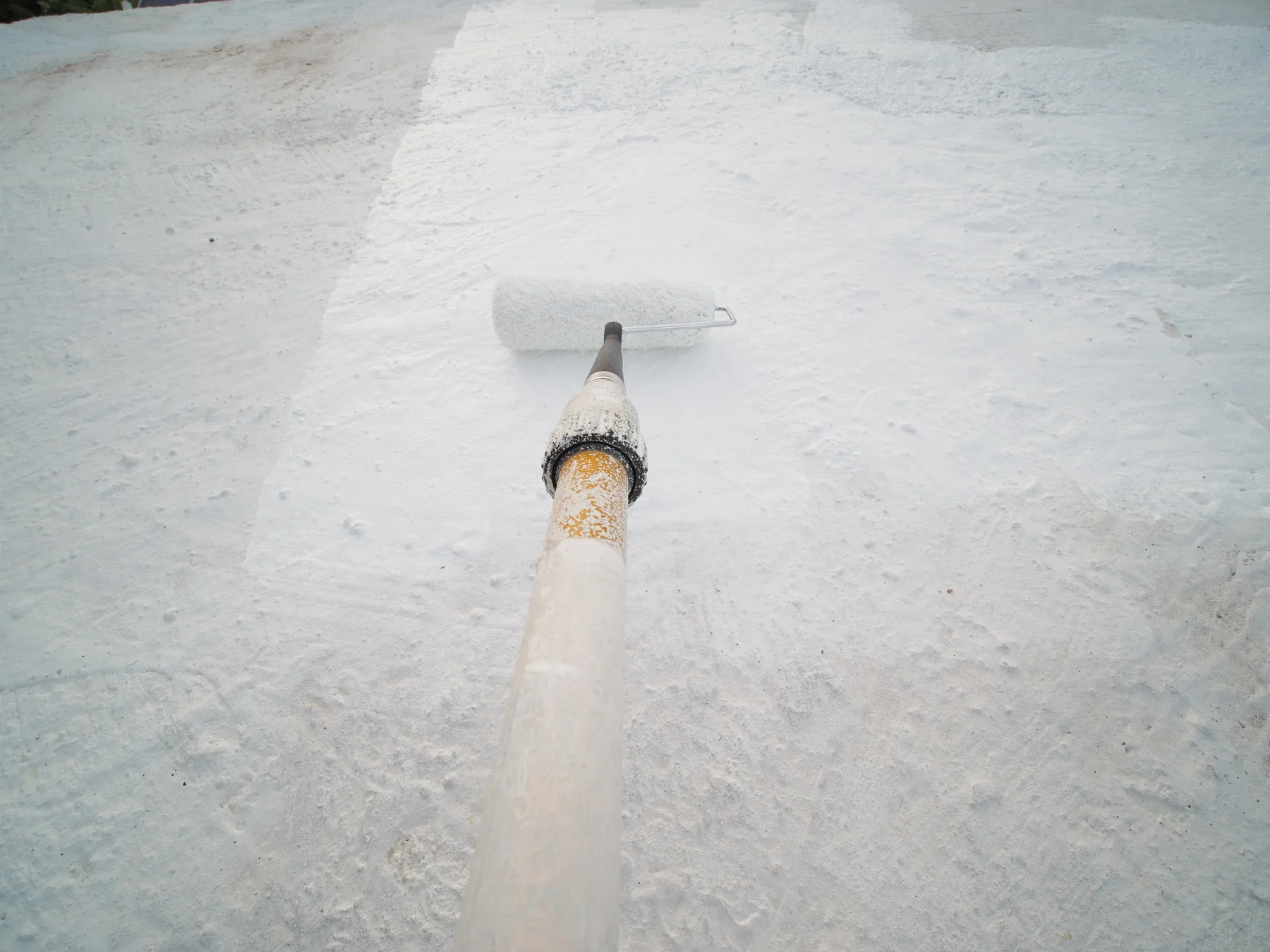
In North Texas the roof takes heat all summer, and the material you choose affects how much reaches the attic. EPA's cool roofs page lists options for sloped home roofs, including lighter-colored asphalt shingles, coated tiles and metal with reflective paint. It also notes that insulation and air sealing add to the energy benefit.
Attic ventilation belongs in the same talk. A poorly vented attic traps heat, which wears the roof from below and makes the house harder to cool, so ask how the plan handles intake and exhaust vents.
EPA's product guidance on cool roofs says the payoff is greatest in hot, sunny places and on homes with little roof insulation. If your roof is still sound, a coating may be an option instead of a new roof. Our guide to roof coating or replacement walks through that choice.
04HOA rules and the schedule
If you have a homeowners association, check its rules on roofing materials and colors, and whether it needs to sign off before work begins. Approval can take a while, so start early.
Then talk through the work days themselves:
- When the crew arrives and how long the job should take
- Where materials and the dumpster will sit
- How plants, the driveway and any pool will be protected
- What happens if rain moves in mid-job
- How nails and debris get cleaned up at the end
Ask who your contact is during the work, and who you call after it is done.
05Before the final payment
When the work is finished, walk the property with the crew lead. Look for stray nails in the yard and driveway, and ask for photos of anything now hidden, like decking repairs. Keep the product details for the materials used and the final permit sign-off with your house records.
The FTC also advises holding the final payment until the job is done to your satisfaction. If you are still deciding what to tackle first, our guide to your first home inspection covers what to bring.
Had hail this season, or not sure what your roof needs? Book your free inspection and we will check the roof and the attic together.