Water
Whole-home filtration or under-sink reverse osmosis?
Where each system treats your water, what it is built to do, and the upkeep that comes with it, so you can choose with your water report in hand.
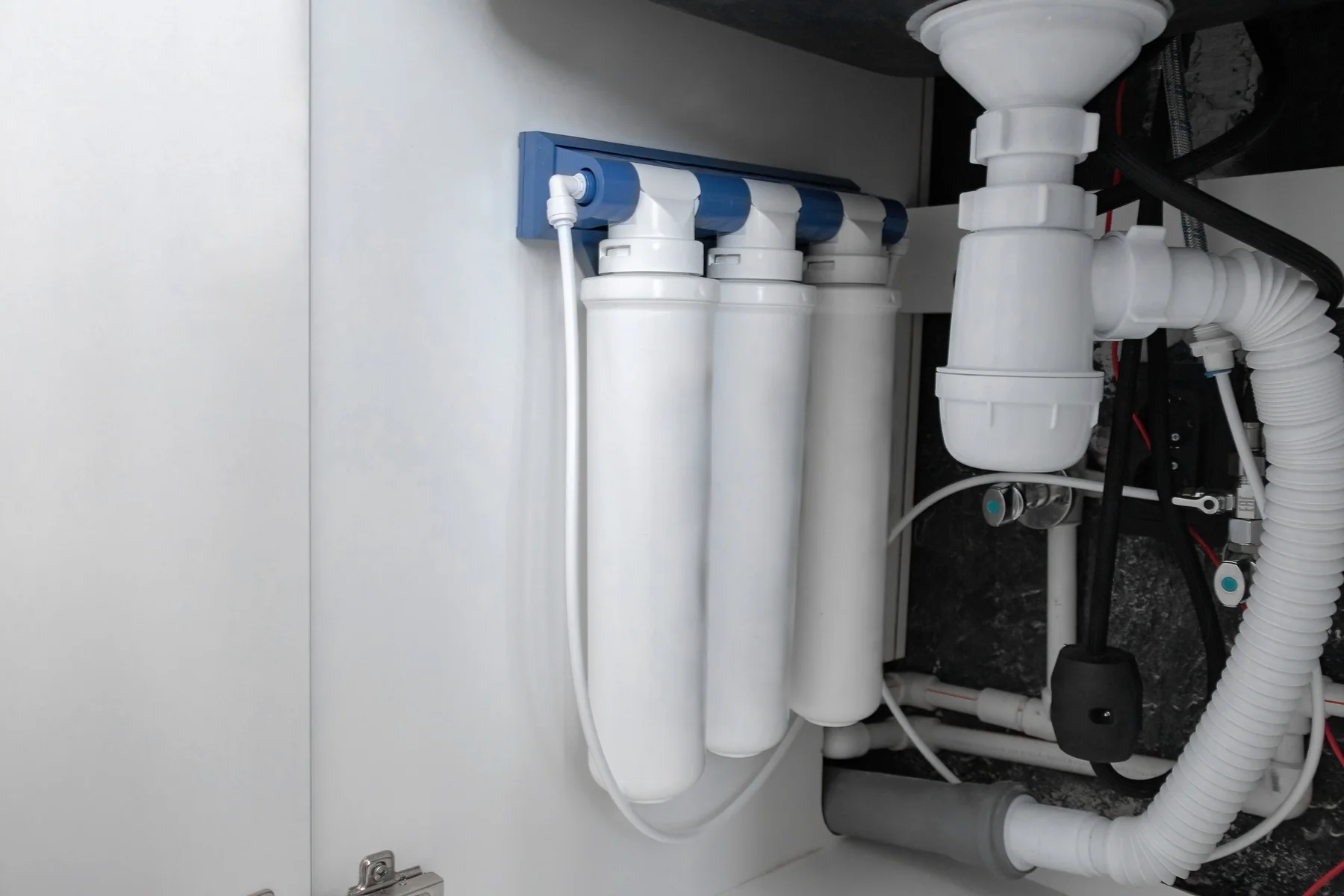
Two systems come up most when North Texas homeowners ask about treating their water. A whole-home filter sits where the water line enters the house and treats every tap, shower and appliance. An under-sink reverse osmosis (RO) unit treats the water at one faucet, usually in the kitchen.
They are less rivals than different tools. Which one fits depends on what is in your water and what you want to change about it. Start there, not with the equipment.
01Start with what is in your water
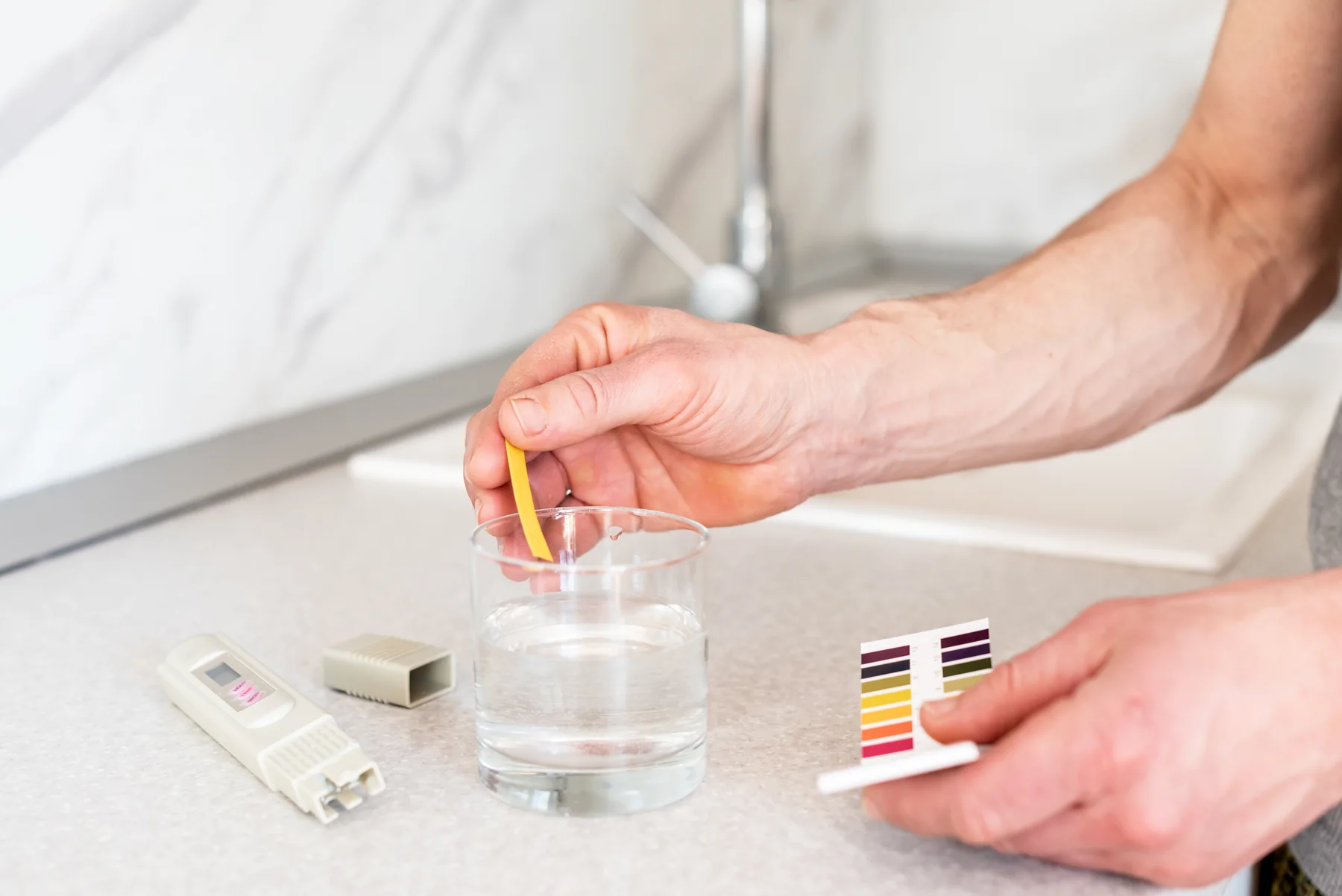
If you are on city water, your utility has to send you a yearly water quality report, called a Consumer Confidence Report, by July 1. EPA's guide for consumers explains that it lists where your water comes from, which regulated contaminants were found, and how to reach the utility. You can call your supplier or search EPA's online tool for a copy.
The CDC suggests testing before you buy, then picking a product aimed at the specific concern you have. Taste and smell are not reliable signs of safety either way. And if your water has no problem you want to fix, you may not need a filter at all.
02Point of entry or point of use
Whole-home (point-of-entry) systems treat all the water coming into the house: showers, laundry and every faucet. The CDC suggests this type when you need to remove a harmful substance from all your water, including what you bathe and clean with. It also flags a tradeoff. A whole-home system that strips out chlorine can let germs grow more easily in the plumbing after it, so ask how a proposed system handles that.
Under-sink (point-of-use) systems treat water at a single tap, which suits drinking and cooking. EPA's WaterSense guide to treatment systems points out that a lot of household water, like toilet flushing and laundry, does not need extra treatment, and it warns against buying a bigger system than the job needs.
03What reverse osmosis does differently
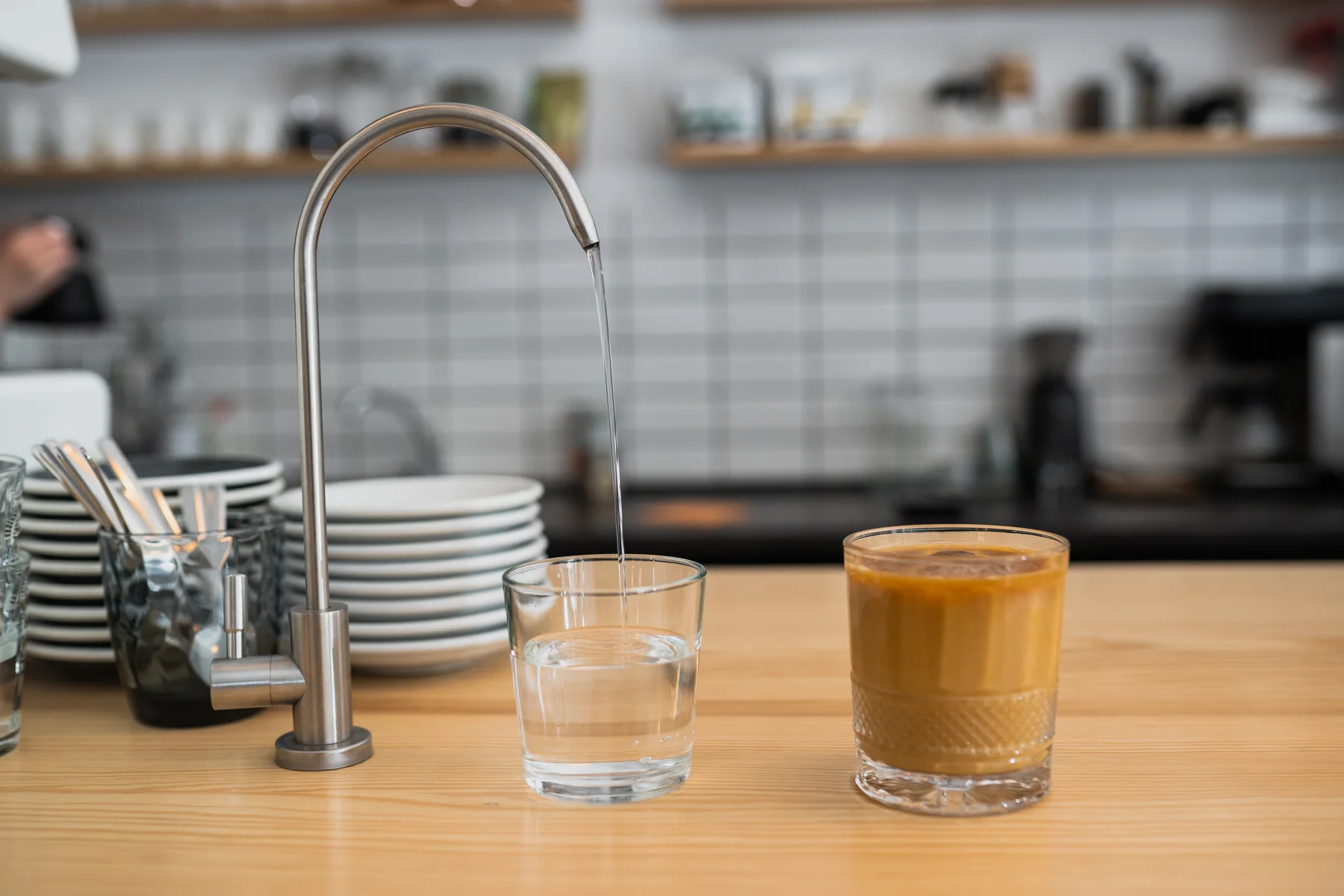
RO pushes water through a very fine membrane under pressure. The CDC lists it among the methods that reduce a wide range of chemicals, such as lead and sodium, along with certain germs. EPA's guide adds that it also removes minerals you may want to keep, like calcium.
The catch is wastewater. Every RO unit sends some water down the drain while it works. EPA's WaterSense program estimates that a typical under-sink unit sends five gallons or more to the drain for each gallon it treats, while models carrying the WaterSense label must stay at 2.3 gallons or less. EPA also says RO is not needed in every case, and simpler filtration may meet your needs.
04Check the standard, not the box
Home water treatment products are tested against NSF/ANSI standards. The ones you will see most:
- NSF/ANSI 42 covers taste, odor and chlorine
- NSF/ANSI 53 covers certain contaminants with health effects, such as lead
- NSF/ANSI 58 covers reverse osmosis systems
- NSF/ANSI 44 covers water softeners
A logo alone does not tell you much. EPA's guide says to confirm that the exact contaminant you care about appears on the product's performance data sheet. You can also search NSF's online product listings by brand, standard or contaminant before you buy.
Some systems combine steps, such as a carbon filter ahead of an RO membrane, so one unit may be tested to more than one standard. Ask which part of the system each claim belongs to.
05Living with each system
Both kinds need regular care. EPA's guide warns that a neglected system can make water quality worse, and that filters should be changed on the maker's schedule. RO units also have a membrane and other parts that wear out over time. The CDC adds that filters left past their change date can harbor germs.
A whole-home system usually lives near where the main line enters the house and needs room for filter housings. An under-sink RO unit needs cabinet space, a drain connection and its own small faucet.
Our water work starts with a test, then whole-home filtration or softening at the main line if the results call for it. For a full list of questions, see what to ask at a water consultation. If you want your water tested at home, book your free inspection.